

Taru by Lee Morgan: expectations vs reality
Taru- Album Overview
Released in 1970, "Taru" is a significant jazz album by the legendary trumpeter Lee Morgan. The album was produced under the Blue Note label, a prominent name in the world of jazz, known for its high-quality recordings and its role in nurturing numerous jazz talents. "Taru" showcases Morgan's continued evolution as an artist following his groundbreaking work in the 1960s. The album features a mix of original compositions and innovative arrangements that reflect Morgan's adventurous spirit during this period. The recording took place in the summer of 1970 and included contributions from notable musicians such as saxophonist Wayne Shorter, pianist McCoy Tyner, bassist Reggie Workman, and drummer Elvin Jones, all of whom were integral to the album’s dynamic sound. The album is characterized by its blend of hard bop and modal jazz, illustrating Morgan's ability to fuse different styles while maintaining his unique voice. The title track, "Taru," stands out as a centerpiece, providing an intricate yet accessible melody that highlights Morgan's virtuosic trumpet playing. Although "Taru" did not achieve the commercial success of some of Morgan's earlier works, it has since been recognized for its artistic merit and is often cited as an essential piece of his discography, reflecting the innovative spirit of jazz during this era.
Review
"Taru" is an album that, while perhaps not as widely known as Morgan's earlier classics like "The Sidewinder," presents a compelling case for his artistry in a transitional period of his career. The sound is lush and textured, with each track providing a platform for the musicians to showcase their improvisational skills. Morgan’s trumpet work is confident and expressive, navigating complex melodies with ease. The interplay between the ensemble members is noteworthy, with each musician contributing to the cohesiveness of the sound while allowing space for individual expression. The album’s tracks, such as "The Beehive" and "Taru," exhibit a blend of rhythmic complexity and melodic inventiveness. However, the album's more experimental nature may not resonate with listeners expecting the straightforward hard bop that characterized much of Morgan's earlier work. The atmosphere created in "Taru" is both introspective and adventurous, reflecting the cultural shifts of the time, particularly as jazz began to embrace more avant-garde elements. The lyrics, where present, are not the focal point, as this album primarily emphasizes instrumental storytelling, allowing listeners to immerse themselves in the rich soundscapes created by the ensemble.
Highlights
- Exceptional musicianship from all ensemble members, particularly Lee Morgan's masterful trumpet playing.
- The innovative blend of hard bop and modal jazz showcases Morgan's artistic evolution.
- Tracks like "Taru" and "The Beehive" highlight intricate compositions and rich improvisation.
Weak points
- May not appeal to listeners seeking the classic hard bop sound of Morgan's earlier works.
- Some tracks may feel less structured, which could alienate fans of more traditional jazz forms.
- Lack of widespread recognition may limit its appreciation compared to Morgan's more famous albums.
Overall evaluation
"Taru" is a fascinating listen that captures Lee Morgan at a pivotal moment in his career. Its blend of creativity and improvisation offers a rewarding experience for those willing to explore beyond the mainstream. While it may not be Morgan's most celebrated work, it certainly holds its own as a testament to his innovative spirit in jazz. Personal rating: 7/10
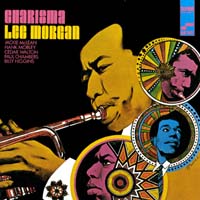 1969Charisma
 1963The Sidewinder