ALBUM NOTESInside Double or Nothin' by Lee Morgan-Double or Nothin'
Album overview
Lee Morgan's "Double or Nothin'" is a pivotal jazz album that showcases the talents of the legendary trumpeter and composer, released in 1965 under the Blue Note label. The album features a stellar lineup of musicians including Wayne Shorter on tenor saxophone, McCoy Tyner on piano, Reggie Workman on bass, and Elvin Jones on drums, all of whom were prominent figures in the jazz scene of the 1960s. The recording sessions took place at the legendary Van Gelder Studio, ensuring a pristine sound quality that is a hallmark of Blue Note recordings.
"Double or Nothin'" consists of five tracks, all composed by Morgan, with a runtime that highlights his innovative approach to jazz. The album is significant not only for its musical content but also for its cultural context, representing a time when jazz was evolving with new styles and influences, particularly hard bop and modal jazz. The title track, alongside others like "The Joker" and "The Sidewinder," reflects Morgan's ability to blend intricate melodies with infectious grooves that appeal to both jazz aficionados and casual listeners alike. This album is part of Morgan’s larger discography, which has had a lasting impact on the genre, influencing countless musicians.
Review
"Double or Nothin'" is a masterclass in jazz artistry, with Lee Morgan's trumpet work at the forefront. The album opens with an explosive energy that captures the listener's attention immediately. Morgan’s tone is vibrant and full-bodied, and he demonstrates an impressive command over his instrument, weaving complex lines that are both lyrical and rhythmically engaging. The interplay between Morgan and Shorter's saxophone creates a dynamic conversation throughout the tracks, showcasing their telepathic musical connection.
McCoy Tyner's contributions on the piano add a rich harmonic layer, often pushing the boundaries of traditional jazz structure. Meanwhile, the rhythm section, anchored by Workman and Jones, provides a robust foundation that allows the soloists to soar. Each track is meticulously crafted, balancing improvisation with well-defined structures, making it accessible yet challenging—perfect for both the casual listener and the dedicated jazz enthusiast.
The production is crisp and clear, a testament to the prowess of Rudy Van Gelder, whose engineering work has become synonymous with high-quality jazz recordings. Overall, "Double or Nothin'" not only highlights Lee Morgan's virtuosity but also reflects the innovative spirit of jazz during the 1960s, making it a significant addition to any jazz collection.
Highlights
- Exceptional trumpet performance by Lee Morgan
- Strong contributions from a legendary band, including Wayne Shorter and McCoy Tyner
- Dynamic interplay between soloists and rhythm section
Weak points
- Some tracks may feel less memorable compared to Morgan's other works
- Limited diversity in musical style across the album
- May not appeal to listeners unfamiliar with jazz conventions
Overall evaluation
"Double or Nothin'" is a compelling showcase of Lee Morgan's talent and creativity, solidifying his status as a jazz icon. Its rich arrangements and robust performances make it a must-listen for anyone interested in the evolution of jazz music.
Personal rating: 8/10
```


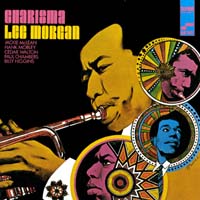 1969Charisma
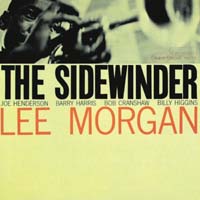 1963The Sidewinder