ALBUM NOTESThe evolution of Lee Morgan-Leeway in Leeway
Album overview
Lee Morgan's album "Leeway," released in 1970, marks an important point in the evolution of jazz during the post-bop era. The album was produced by the legendary Blue Note Records, a label synonymous with the development of hard bop and post-bop styles. "Leeway" features an ensemble of talented musicians, including Wayne Shorter on tenor saxophone, Elvin Jones on drums, and Herbie Hancock on piano, showcasing a blend of improvisation and structured compositions that highlight each musician's prowess. The album consists of six tracks, with notable pieces such as "The Lady" and "Hocus Pocus," which demonstrate Morgan's exceptional trumpet skills and innovative approach to jazz harmony. The recording sessions took place in New Jersey, capturing a raw and energetic vibe that resonated well with audiences of the time. "Leeway" stands out not only for its musicality but also for its cultural significance, as it reflects the shifting dynamics of jazz music in the late 1960s, a time when artists were increasingly experimenting with new forms and styles, often influenced by the social movements of the era. This album, while perhaps not as commercially recognized as some of Morgan's earlier works, has gained appreciation among jazz aficionados for its intricate melodies and complex rhythms.
Review
"Leeway" showcases Lee Morgan's artistic vision as he navigates the evolving landscape of jazz with both confidence and creativity. The album opens with the vibrant "The Lady," where Morgan's expressive trumpet lines are complemented by Shorter's dynamic saxophone. The interplay among the musicians is palpable, with each track offering a unique exploration of melody and rhythm. The compositions are well-structured yet allow for ample improvisation, showcasing the individual talents of the musicians involved. Elvin Jones' drumming, in particular, adds a layer of complexity to the arrangements, pushing the boundaries of traditional jazz rhythms. However, some listeners may find that the album leans heavily on instrumental experimentation without significant lyrical content, which could be seen as a departure from mainstream jazz at the time. Overall, "Leeway" serves as a testament to Morgan's versatility and his ability to lead a group of exceptional musicians through intricate and engaging musical landscapes.
Highlights
- Intricate and engaging compositions that showcase improvisational skills.
- A stellar lineup of musicians contributing to a rich and layered sound.
- Cultural significance reflecting the evolution of jazz in the late 1960s.
Weak points
- Potential lack of mainstream appeal due to its experimental nature.
- Limited lyrical content may not resonate with all listeners.
- Some tracks may feel less accessible to casual jazz fans.
Overall evaluation
"Leeway" is a significant entry in Lee Morgan's discography, demonstrating his growth as an artist and his ability to innovate within the jazz genre. It may not have achieved the same commercial success as his earlier works, but its artistic merit and historical context make it a worthwhile listen for jazz enthusiasts.
Personal rating: 8/10
```


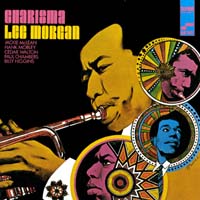 1969Charisma
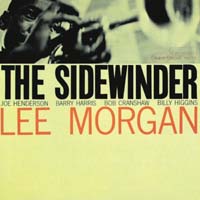 1963The Sidewinder