ALBUM NOTESExploring the sound of Lee Morgan-The Gigolo: The Gigolo
Album overview
Lee Morgan's album "The Gigolo," released in 1968, stands as a significant entry in the realms of hard bop and jazz, showcasing the trumpeter's extraordinary talent and innovative spirit. Produced by the esteemed Blue Note Records, the album features a collaboration with notable jazz musicians, including Wayne Shorter on tenor saxophone, McCoy Tyner on piano, Bob Cranshaw on bass, and Elvin Jones on drums. The recording sessions took place during a prolific period for Morgan, marking his return to Blue Note after a brief hiatus.
The album comprises six tracks, including the titular piece "The Gigolo," which serves as a vibrant opener, setting the tone for the rest of the record. Other standout tracks include "The Beehive" and "You're My Everything," which showcase Morgan's lyrical trumpet lines and the intricate interplay between the musicians. The album encapsulates the essence of the late 1960s jazz scene, reflecting a blend of traditional hard bop with emerging avant-garde influences.
"The Gigolo" is notable not just for its musicality but also for its cultural significance, as it represents a transitional phase in jazz, where artists began to explore new creative territories while still paying homage to the genre's roots. The album did not produce any major hits but remains a cherished piece among jazz aficionados, demonstrating Morgan's prowess and the collaborative spirit of his ensemble.
Review
"The Gigolo" is a compelling showcase of Lee Morgan's artistry, characterized by its vibrant arrangements and intricate solos. The album opens with the title track, where Morgan's trumpet bursts forth with a playful energy, immediately engaging the listener. The synergy between the musicians is palpable, with Shorter's saxophone weaving seamlessly through Morgan's melodic explorations.
The production quality is crisp, allowing each instrument to shine while maintaining a cohesive sound. The rhythm section, particularly Elvin Jones, propels the music forward, adding a dynamic undercurrent that complements the melodic lines. Throughout the album, Morgan's ability to balance technical proficiency with emotional expression is evident, making each track a journey through various moods and tempos.
However, while the album excels in musicianship, some listeners may find certain tracks less memorable compared to Morgan's more celebrated works. The overall artistic vision remains strong, as it reflects a period of experimentation within jazz, inviting audiences to appreciate the blend of traditional and contemporary influences.
Highlights
- Exceptional musicianship and interplay among the ensemble.
- Vibrant and engaging compositions that showcase Morgan's talent.
- Strong production quality that enhances the listening experience.
Weak points
- Some tracks may feel less memorable compared to other works by Morgan.
- The album's experimental nature may not appeal to all jazz purists.
- Limited commercial success may overshadow its artistic merit.
Overall evaluation
Lee Morgan's "The Gigolo" is a remarkable testament to his artistry and a significant contribution to the jazz genre. While it may not be his most iconic work, it offers a rich listening experience that highlights the evolution of jazz in the late 1960s.
Personal rating: 8/10
```


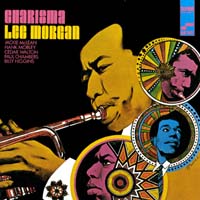 1969Charisma
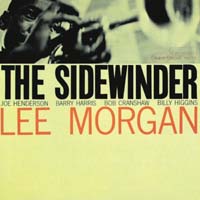 1963The Sidewinder