ALBUM NOTESThe evolution of Lee Morgan-Charisma in Charisma
Album overview
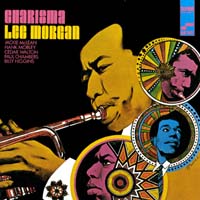
Lee Morgan's album "Charisma," released in 1967 under the Blue Note label, showcases a pivotal moment in the evolution of hard bop jazz. This album features Morgan on trumpet, alongside a stellar lineup including Wayne Shorter on tenor saxophone, McCoy Tyner on piano, Bob Cranshaw on bass, and Elvin Jones on drums. The album was recorded on July 7, 1967, at the Van Gelder Studio in Englewood Cliffs, New Jersey, known for its rich acoustic environment that has captured countless jazz masterpieces.
"Charisma" contains six tracks, with notable compositions such as "The Procrastinator" and "The Beehive," which highlight Morgan's innovative approach to melody and rhythm. The album stands out in the late 1960s jazz scene, a time when musicians were increasingly blending genres and pushing boundaries. Morgan's work during this period illustrates his ability to evolve while maintaining the core elements of jazz that defined his earlier works. The album did not produce chart-topping singles but is regarded as an essential piece of Morgan's discography, reflecting his growth as a musician and composer.
Culturally, "Charisma" encapsulates the spirit of the 1960s, a decade marked by social upheaval and artistic exploration. Morgan's ability to convey emotion through his trumpet playing resonates with the zeitgeist of the era, making this album a significant contribution to both the jazz genre and the broader musical landscape.
Review
"Charisma" is a brilliant testament to Lee Morgan's artistic evolution, blending traditional hard bop with exploratory harmonic structures. The album opens with "The Procrastinator," a track that establishes a lively and engaging atmosphere, showcasing Morgan's signature sound. The interplay between Morgan and Shorter creates a dynamic conversation that is both intricate and accessible.
The production quality is impeccable, thanks to the expertise of Rudy Van Gelder, whose engineering allows each instrument to shine while maintaining a cohesive sound. Tyner's innovative piano work complements Morgan's trumpet beautifully, creating a rich tapestry of sound that invites listeners to immerse themselves fully.
Musically, the album is characterized by its rhythmic complexity and melodic inventiveness. Tracks like "The Beehive" display Morgan's flair for crafting catchy hooks while maintaining an avant-garde spirit. The overall vibe of the album is one of celebration and exploration, capturing the essence of a truly creative period in jazz.
Highlights
- The exceptional interplay between Morgan and Wayne Shorter.
- Innovative compositions that push the boundaries of hard bop.
- Top-notch production quality by Rudy Van Gelder.
Weak points
- Some tracks may feel less memorable compared to Morgan's earlier works.
- A few transitions between sections can feel abrupt to casual listeners.
- The album lacks a standout single that could have elevated its commercial appeal.
Overall evaluation
"Charisma" is a compelling exploration of Lee Morgan's artistry during a transformative era in jazz. While it may not be his most commercially successful album, it is undoubtedly one of his most artistically significant works, showcasing his growth and innovation as a musician.
Personal rating: 8/10
```

 2022¡caramba!
 1963The Sidewinder