

Modern Jazz Quartet raises the bar with Under the Jasmin Tree
Under the Jasmin Tree- Album Overview
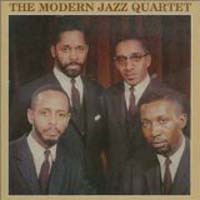
"Under the Jasmin Tree," released in 1968, is a seminal album by the iconic Modern Jazz Quartet (MJQ). This album marks a distinctive point in the quartet's storied career, showcasing their ability to blend classical elements with jazz improvisation. Released under the Atlantic Records label, the album features a unique fusion of jazz with world music influences, particularly reflecting the cultural zeitgeist of the late 1960s. The quartet, consisting of pianist John Lewis, vibraphonist Milt Jackson, bassist Percy Heath, and drummer Connie Kay, recorded this album during a period when jazz was increasingly incorporating diverse sounds and styles. The album comprises several tracks, including the standout pieces "Jasmin Tree" and "The Wizard," highlighting the ensemble’s intricate interplay and harmonic sophistication. The recording sessions were held at the famed Van Gelder Studio, known for its pristine sound quality, which greatly contributed to the album's polished production. Collaborators on this album included renowned producer Nesuhi Ertegun, who played a crucial role in shaping the sound that became synonymous with the MJQ. "Under the Jasmin Tree" is significant not only for its musicality but also for its exploration of cultural themes, reflecting the era's interest in Eastern philosophy and music. The album is a testament to the MJQ's innovative spirit, pushing the boundaries of jazz while maintaining their classical roots. The singles from the album, particularly "Jasmin Tree," received critical acclaim, further solidifying their legacy in the jazz genre.
Review
This album is a masterclass in subtlety and sophistication, as the Modern Jazz Quartet expertly weaves together disparate influences into a cohesive sonic tapestry. The interplay between Milt Jackson's vibraphone and John Lewis's piano is particularly noteworthy, as they create a dialogue that is both conversational and lyrical. The rhythmic foundation provided by Percy Heath and Connie Kay allows for an organic flow that enhances the album's contemplative nature. Lyrically, the album eschews traditional song structures in favor of instrumental narratives that evoke a range of emotions, from introspection to joy. The artistic vision of the MJQ shines through, as they effortlessly blend jazz improvisation with classical motifs, pushing the genre into new territories. While there are moments of intricate complexity, the overall sound remains accessible, inviting listeners into a world rich with texture and color.
Highlights
- Intricate interplay between vibraphone and piano that showcases their musical chemistry.
- Rich cultural themes that resonate with the broader social movements of the 1960s.
- Exceptional production quality that enhances the listening experience.
Weak points
- The album may feel slow-paced for listeners accustomed to more contemporary jazz styles.
- Some tracks might not resonate as strongly with those unfamiliar with the MJQ's signature sound.
- Lack of vocal elements may deter listeners seeking more traditional jazz or pop influences.
Overall evaluation
"Under the Jasmin Tree" stands as a remarkable achievement in the Modern Jazz Quartet's discography, blending classical and jazz influences while exploring rich cultural themes. It represents a time when jazz was evolving, and the MJQ was at the forefront of that transformation. While it may not cater to every listener's taste, its artistic integrity and sophisticated sound make it a worthwhile exploration for anyone interested in the depths of jazz music.
Personal rating: 8/10 1959Pyramid
 1957The Modern Jazz Quartet
 1956Django