

Modern Jazz Quartet raises the bar with Reunion at Budokan 1981
Reunion at Budokan 1981- Album Overview
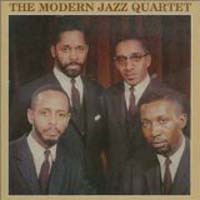
Released in 1981, "Reunion at Budokan" captures the Modern Jazz Quartet (MJQ) at a pivotal moment in their storied career. This live album, recorded at the iconic Budokan Hall in Tokyo, Japan, showcases the quartet's seamless blend of classical and jazz elements, a hallmark of their unique sound. The MJQ, consisting of pianist John Lewis, vibraphonist Milt Jackson, bassist Percy Heath, and drummer Connie Kay, reunited for this performance after a period of relative inactivity. The album was released on the Atlantic Records label, known for its rich catalog of jazz and blues artists. The recording features a selection of their most beloved compositions, including tracks like "Django" and "Bags' Groove," demonstrating their ability to weave complex melodies with intricate rhythms. The production captures the ambiance of the live setting, allowing listeners to experience the energy of the performance as if they were present in the audience. The cultural significance of this album lies in its celebration of the MJQ's legacy, bridging the gap between jazz and classical music, and serving as a testament to the enduring power of their artistry.
Review
"Reunion at Budokan" exemplifies the Modern Jazz Quartet's masterful command of their craft. Each track is a showcase of virtuosic musicianship, with Milt Jackson's vibraphone melodies intertwining beautifully with John Lewis's piano arrangements. The interplay among the musicians is nothing short of remarkable, reflecting their deep understanding and respect for each other’s artistry. The album’s sound is crisp and vibrant, thanks to the live recording that captures not only the musicians but also the enthusiastic audience, providing a palpable sense of excitement. While the compositions are rooted in jazz, they also draw from classical influences, creating a rich tapestry of sound. The MJQ's artistic vision is clear; they aim to elevate jazz to a concert hall status, and this album is a powerful statement of that ambition. Overall, the album is a beautiful synthesis of style and substance, showcasing the quartet's ability to evolve while staying true to their roots.
Highlights
- Exceptional musicianship and interplay among the quartet members.
- Captivating arrangements that blend jazz and classical influences.
- Dynamic live performance atmosphere that enhances the listening experience.
Weak points
- Some listeners may find the classical elements less appealing in a jazz context.
- The album may feel dated to those unfamiliar with the MJQ's style.
- Limited diversity in track selection, focusing primarily on established hits.
Overall evaluation
"Reunion at Budokan" serves as a powerful reminder of the Modern Jazz Quartet's place in jazz history. It highlights their ability to innovate while remaining rooted in tradition. This live album not only satisfies long-time fans but also invites new listeners into the world of jazz.
Personal rating: 8/10 1959Pyramid
 1957The Modern Jazz Quartet
 1956Django