

Unpacking Modern Jazz Quartet's Pyramid
Pyramid- Album Overview
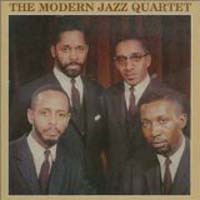
Released in 1974, "Pyramid" is a landmark album by the Modern Jazz Quartet (MJQ), a group renowned for its unique blend of jazz and classical music elements. The album was released through the prestigious Atlantic Records label, which played a significant role in defining the jazz genre during the 20th century. The recording features the core members of MJQ: pianist John Lewis, vibraphonist Milt Jackson, bassist Percy Heath, and drummer Connie Kay, all of whom contributed to the album’s intricate compositions and arrangements. "Pyramid" consists of six tracks, including notable pieces like "The Queen's Suite" and "Pyramid," which showcase the ensemble's distinctive style that marries sophisticated harmonies with rhythmic complexity.
One of the defining features of this album is its production, which captures the live essence of the quartet while maintaining a polished sound. The tracks were recorded in various sessions that reflect the quartet's ability to improvise and interact seamlessly, a hallmark of their performances. "Pyramid" is not just an album; it’s a statement of the MJQ's artistic vision and philosophy, which sought to elevate jazz to a concert music level. The album’s thematic content and the interplay between the musicians also speak to the cultural significance of the time, as jazz was evolving in response to the social changes of the 1970s. The single "The Queen's Suite," inspired by Duke Ellington, adds a layer of homage to the jazz tradition while pushing the genre forward. Overall, "Pyramid" stands as a testament to the enduring legacy of the Modern Jazz Quartet, cementing their place in the annals of jazz history.
Review
"Pyramid" exemplifies the Modern Jazz Quartet's artistic vision, characterized by its seamless fusion of jazz improvisation and classical sensibilities. The sound is meticulously arranged, with each instrument finding its place within the complex layers of melody and rhythm. John Lewis’s piano work is both delicate and assertive, providing a rich harmonic foundation. Milt Jackson’s vibraphone shines brightly, offering a sweet and resonant counterpoint that is both engaging and soothing. The rhythm section, featuring Percy Heath on bass and Connie Kay on drums, lays down a sophisticated groove that allows the melodies to soar.
While the album doesn’t include traditional lyrics, the emotional depth conveyed through the instrumentation speaks volumes. Each track is a journey, inviting listeners to explore the nuances of jazz through a classical lens. The overall artistic vision is one of elegance and introspection, challenging the listener to appreciate the intricate interplay of sounds. In this way, "Pyramid" transcends the conventional boundaries of jazz, making it a profound listening experience that resonates well beyond its release.
Highlights
- Intricate and cohesive arrangements showcasing classical and jazz influences.
- Exceptional musicianship, particularly the interplay between vibraphone and piano.
- The album’s ability to evoke deep emotional responses without the use of lyrics.
Weak points
- Some listeners may find the classical influences too pronounced for a traditional jazz experience.
- The album's slower tempos may not appeal to those seeking more energetic jazz.
- Limited commercial appeal may overshadow its artistic merits in a broader context.
Overall evaluation
"Pyramid" stands as a significant contribution to the jazz canon, showcasing the Modern Jazz Quartet at their finest. It combines technical mastery with emotional depth, inviting listeners into a world where jazz meets classical elegance. Its timeless quality ensures that it remains relevant and appreciated by jazz enthusiasts and newcomers alike.
Personal rating: 8/10 2020Plays For Lovers
 1957The Modern Jazz Quartet
 1956Django