ALBUM NOTESSpace: the story Modern Jazz Quartet wants to tell
Space- Album Overview
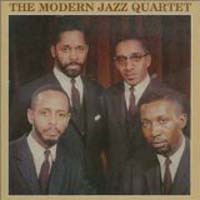
The Modern Jazz Quartet's album "Space," released in 1974, is a pivotal work that showcases the ensemble's unique blend of jazz with classical elements. Released under the Atlantic Records label, "Space" stands as a testament to the quartet's innovative spirit during a time when jazz was evolving and expanding its boundaries. The album features a collection of compositions that highlight the distinct interplay between the members: pianist John Lewis, vibraphonist Milt Jackson, bassist Percy Heath, and drummer Connie Kay.
"Space" was recorded in a period when the Modern Jazz Quartet was experimenting with form and structure, incorporating influences from both European classical music and American jazz traditions. The album consists of tracks that are rich in texture and atmosphere, with songs like "The Cylinder" and "The Man on the Street" drawing listeners into a soundscape that feels both expansive and intimate.
This album's significance lies not only in its musical content but also in its cultural context; it was released at a time when jazz was facing challenges from various musical movements, including rock and funk. The Modern Jazz Quartet's commitment to sophistication and artistry allowed them to maintain a significant presence in the jazz world, and "Space" exemplifies this commitment. The album, though perhaps not as commercially successful as some of their earlier works, still holds an important place in the jazz canon as it bridges classical influences with modern jazz improvisation.
Review
"Space" is a captivating exploration of sound and silence, where the Modern Jazz Quartet excels in creating an atmosphere that is both contemplative and dynamic. The arrangements are meticulously crafted, showcasing the group's technical prowess while allowing for moments of improvisational freedom. Each track unfolds like a narrative, with the vibraphone and piano interweaving melodies that evoke a sense of exploration and introspection.
The album’s production quality is pristine, reflecting the high standards of the Atlantic label, and it captures the nuances of every instrument. The interplay between Jackson's vibraphone and Lewis' piano is particularly noteworthy, as their dialogues often transcend traditional jazz boundaries, creating a lush auditory tapestry.
While the album lacks lyrics, the emotional weight carried through the instrumentation speaks volumes. The Modern Jazz Quartet successfully communicates themes of solitude and contemplation, making "Space" a deeply immersive listening experience. The artistic vision behind this record is ambitious, yet it remains accessible, inviting listeners to lose themselves in its intricate soundscapes.
Highlights
- Rich interplay between instruments creates a unique soundscape.
- Meticulously crafted arrangements showcase their technical prowess.
- Emotionally resonant, despite the absence of lyrics.
Weak points
- The album may feel abstract for casual listeners seeking more traditional jazz forms.
- Some tracks may seem repetitive or slow-paced to those unfamiliar with the genre.
- Limited commercial appeal compared to more mainstream jazz releases of the era.
Overall evaluation
"Space" by the Modern Jazz Quartet is an exemplary representation of the fusion of jazz and classical influences, offering listeners an immersive experience that encourages reflection. This album is a true testament to the quartet's artistry and innovation within the genre.
Personal rating: 8/10


 1959Pyramid
 1957The Modern Jazz Quartet
 1956Django