ALBUM NOTESIs The Modern Jazz Quartet Modern Jazz Quartet's best work yet?
The Modern Jazz Quartet- Album Overview
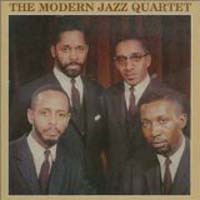
The album "The Modern Jazz Quartet," released in 1956, is a significant entry in the discography of the Modern Jazz Quartet (MJQ), a group renowned for their sophisticated blend of jazz elements with classical music influences. Released under the Atlantic Records label, this album showcases the quartet's signature sound, characterized by the interplay between Milt Jackson's vibraphone, John Lewis's piano, Percy Heath's double bass, and Connie Kay's drums. The recording sessions took place in New York City, where the MJQ was at the height of their creative powers.
The album features a mix of original compositions by John Lewis, such as "Django," a tribute to the legendary guitarist Django Reinhardt, and covers of jazz standards, highlighting MJQ's innovative arrangements. The overall production reflects the group's commitment to a polished sound, with a focus on intricate harmonies and rhythms that were groundbreaking at the time. The album includes tracks that would become staples in the jazz repertoire, contributing to its lasting significance in the genre.
Culturally, "The Modern Jazz Quartet" represented a fusion of styles that appealed to a broad audience, bridging the gap between jazz and classical music. This innovative approach not only solidified the MJQ's status but also influenced future generations of musicians. The album did not produce hit singles in the traditional sense but remains essential listening for its artistic integrity and historical context, marking the MJQ's stride towards mainstream acceptance while retaining their jazz roots.
Review
The sound of "The Modern Jazz Quartet" is an eloquent testament to the ensemble's artistic vision, seamlessly blending intricate melodies with rhythmic sophistication. Each track is a masterclass in restraint and expression, where the vibraphone takes center stage, supported by the subtle yet powerful piano, bass, and drums. Milt Jackson's vibraphone work is particularly noteworthy; his improvisational style brings a sense of warmth and lyricism that resonates deeply with listeners.
The quartet's arrangements often walk the fine line between classical precision and jazz spontaneity, resulting in a sound that feels both familiar and refreshingly innovative. The interplay between John Lewis's compositions and the individual musicians' improvisations creates a dynamic listening experience, making each track feel like a conversation among friends.
While the album does not delve into lyrical storytelling, the emotive quality of the music conveys profound feelings, allowing listeners to interpret the moods and themes individually. This artistic choice aligns with the MJQ's ethos of elevating jazz to an art form that transcends mere entertainment, positioning the album as a cornerstone of modern jazz.
Highlights
- Exceptional musicianship, particularly Milt Jackson's emotive vibraphone solos.
- Innovative arrangements that blend jazz with classical influences.
- Timeless tracks that have become jazz standards, showcasing the quartet's lasting impact.
Weak points
- The album may feel too restrained for listeners seeking more energetic jazz.
- Lack of vocal tracks might alienate those who prefer lyrical content in music.
- Some tracks may come across as overly sophisticated, potentially limiting broader appeal.
Overall evaluation
"The Modern Jazz Quartet" stands as a landmark achievement in the realm of jazz, showcasing the group’s ability to marry technical prowess with artistic expression. While it may not cater to every listener's taste, its significance in jazz history is undeniable.
Personal rating: 8.5/10

 2020Plays For Lovers
 1959Pyramid
 1956Django