

Modern Jazz Quartet – Fontessa: track-by-track perspective
Fontessa- Album Overview
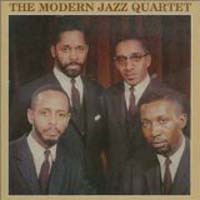
"Fontessa" is a significant album by the Modern Jazz Quartet, released in 1956 under the Atlantic Records label. This album marked a pivotal moment in the evolution of jazz, showcasing the quartet's unique blend of classical influences and improvisational jazz. The group, consisting of pianist John Lewis, vibraphonist Milt Jackson, bassist Percy Heath, and drummer Connie Kay, recorded "Fontessa" at a time when jazz was increasingly being recognized as a sophisticated and serious art form. Notably, the album's name, "Fontessa," is derived from a fictional Italian villa that symbolizes the quartet’s aspirational artistic vision.
The recording sessions took place in New York City, with Lewis serving as the primary composer and arranger for the album. It features five original compositions, including "Fontessa," "The Cylinder," and "The Wizard," each characterized by intricate harmonies and rhythmic sophistication. The album's production quality was exemplary for its time, thanks to producer Nesuhi Ertegun, who played a crucial role in capturing the quartet's dynamic sound. The ensemble's ability to weave classical music elements into jazz is particularly evident on this album, reflecting the cultural shift toward a more sophisticated jazz idiom. "Fontessa" also represents a period when jazz was beginning to gain wider acceptance in mainstream music, bridging the gap between the concert hall and the jazz club.
As a cultural artifact, "Fontessa" is significant not only for its musical content but also for its demonstration of the Modern Jazz Quartet's commitment to marrying jazz with classical sensibilities. This album helped solidify their place in the pantheon of jazz greats and influenced countless musicians in the years that followed, making it a must-listen for jazz aficionados and newcomers alike.
Review
The sound on "Fontessa" is both sophisticated and accessible, a hallmark of the Modern Jazz Quartet's artistry. The interplay between the vibraphone and piano creates a lush tapestry of sound, while the rhythm section provides a solid foundation that allows for both structured compositions and free improvisation. The choice to incorporate classical elements elevates the music, showcasing the quartet's intellectual approach to jazz. While the melodies are memorable, they often carry a depth that invites repeated listens. Each track unfolds like a narrative, rich in emotional texture and intellectual complexity. The album balances intricate arrangements with moments of spontaneity, reflecting the quartet's artistic vision of blending genres and pushing the boundaries of jazz.
Highlights
- The seamless integration of classical and jazz elements throughout the album.
- Outstanding musicianship, particularly in the interplay between Milt Jackson and John Lewis.
- The emotional depth and sophistication of compositions like "Fontessa" and "The Wizard."
Weak points
- Some listeners may find the album's classical influences less appealing compared to more traditional jazz offerings.
- The pacing of the album could feel slow to those accustomed to more contemporary jazz styles.
- Tracks may lack the high-energy improvisation found in other jazz recordings of the era.
Overall evaluation
"Fontessa" stands as a testament to the Modern Jazz Quartet's innovative spirit and their ability to elevate jazz to an art form that incorporates diverse influences. While it may not cater to every jazz enthusiast's taste, it undoubtedly offers a rich listening experience that showcases the quartet's mastery and artistic vision.
Personal rating: 8/10 1959Pyramid
 1957The Modern Jazz Quartet
 1956Django