ALBUM NOTESA closer look at Modern Jazz Quartet's album Lonely Woman
Lonely Woman- Album Overview
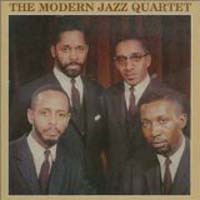
The Modern Jazz Quartet's album "Lonely Woman" was released in 1962 under the Atlantic Records label. This album is a significant entry in the jazz genre, showcasing the group's unique blend of classical influences with traditional jazz elements. The quartet, comprised of pianist John Lewis, vibraphonist Milt Jackson, bassist Percy Heath, and drummer Connie Kay, pushed the boundaries of jazz during a time when the music was rapidly evolving.
"Lonely Woman" features the iconic title track, originally composed by jazz innovator Ornette Coleman. This track, along with the others on the album, highlights the quartet's ability to reinterpret influential pieces while maintaining their distinctive sound. The album was recorded in a period where the Modern Jazz Quartet was at the height of their creativity, capturing their signature interplay and sophisticated arrangements.
The album includes other notable tracks such as "Django" and "The Wheels," showcasing the quartet's prowess in creating emotive and complex compositions. Throughout the 1960s, the Modern Jazz Quartet played a pivotal role in bringing jazz into concert halls, and "Lonely Woman" is a testament to their artistic vision. The album has since been recognized for its cultural significance, reflecting a time when jazz was transitioning and expanding its reach.
Review
"Lonely Woman" stands out for its elegant fusion of jazz and classical elements, with the Modern Jazz Quartet expertly weaving intricate melodies and harmonies. The title track is particularly noteworthy, as it captures a sense of melancholy that resonates deeply with listeners. The arrangement is both haunting and beautiful, serving as a perfect showcase for the quartet's exceptional musicianship.
The interplay between Lewis's piano and Jackson's vibraphone creates a rich tapestry of sound that is both soothing and intellectually stimulating. The rhythm section, featuring Heath and Kay, provides a solid foundation while also adding layers of complexity to the overall sound. Each musician brings their own flair to the album, contributing to a cohesive yet diverse listening experience.
The album's production is crisp and clear, allowing the subtleties of the quartet's performance to shine through. The emotional depth of the compositions, combined with the technical prowess of the musicians, results in a timeless body of work that continues to influence jazz musicians today.
Highlights
- The masterful reinterpretation of Ornette Coleman's "Lonely Woman."
- Exceptional musicianship displayed through intricate arrangements.
- The seamless blend of jazz and classical influences throughout the album.
Weak points
- Some tracks may be perceived as slower-paced, potentially less engaging for casual listeners.
- Lack of vocal elements, which may limit appeal to those who prefer lyrical content.
- The album's complexity might be challenging for newcomers to jazz.
Overall evaluation
"Lonely Woman" is a remarkable album that showcases the Modern Jazz Quartet's ability to transcend genres and push the boundaries of jazz music. Its emotional depth, sophisticated arrangements, and exceptional musicianship make it a standout work in their discography.
Personal rating: 9/10


 1959Pyramid
 1957The Modern Jazz Quartet
 1956Django