

Breaking down the themes in Patterns by Modern Jazz Quartet
Patterns- Album Overview
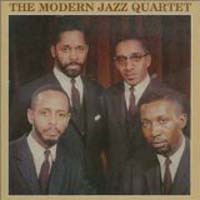
"Patterns" is an album by the esteemed Modern Jazz Quartet, released in 1970 under the Atlantic Records label. This album showcased the quartet's innovative approach to jazz, blending classical influences with modern improvisational styles. The group, consisting of pianist John Lewis, vibraphonist Milt Jackson, bassist Percy Heath, and drummer Connie Kay, had already established themselves as a prominent force in the jazz world since their formation in 1952. "Patterns" was a significant continuation of their artistic vision, characterized by intricate arrangements and a seamless interplay between the members.
The recording sessions for "Patterns" took place in New York City, where the quartet often collaborated with various musicians, but this album focused primarily on their core lineup. The album features a total of five tracks, including notable pieces like "The Cylinder" and "The Golden Striker," both of which exemplify the quartet's unique blend of jazz and classical elements. The album’s title reflects the thematic complexity and the intricate musical structures present in the compositions.
"Patterns" stands out in the jazz genre not only for its sophisticated arrangements but also for its cultural significance during the 1970s, a period marked by experimentation and a fusion of genres. The album, while not as commercially successful as some of their earlier works, has been critically acclaimed for its artistic depth and remains a pivotal piece in the Modern Jazz Quartet's discography. It serves as a testament to the quartet's ability to transcend traditional jazz boundaries and explore new musical landscapes.
Review
The sound of "Patterns" is a rich tapestry of textures and colors, reflecting the Modern Jazz Quartet's mastery of blending genres. Each track is a carefully crafted piece, showcasing the quartet's ability to weave complex melodies with intricate rhythms. The interplay between Lewis' piano and Jackson's vibraphone is particularly noteworthy, creating a dialogue that drives the music forward while maintaining an air of sophistication and elegance.
Lyrically, while jazz is often instrumental, the emotional weight carried through the melodies and harmonies speaks volumes, inviting listeners to interpret the music in their own way. The artistic vision behind "Patterns" is evident in its thoughtful composition and arrangement, showcasing the quartet's commitment to innovation and excellence. This album feels like a reflective journey, with each track offering a new perspective and inviting deep contemplation.
Highlights
- Intricate musical arrangements that blend classical and jazz elements.
- Strong interplay between musicians, creating a cohesive sound.
- Tracks like "The Cylinder" demonstrate the quartet's innovative approach to composition.
Weak points
- The album may be less accessible to casual listeners due to its complex structures.
- Some tracks may feel too experimental compared to mainstream jazz offerings.
- Lack of vocal elements might alienate fans who prefer lyrical content in music.
Overall evaluation
"Patterns" is a remarkable entry in the Modern Jazz Quartet's discography, showcasing their innovative spirit and commitment to pushing the boundaries of jazz. While it may not appeal to every listener, its artistic merit and cultural significance are undeniable.
Personal rating: 8/10 1959Pyramid
 1957The Modern Jazz Quartet
 1956Django