
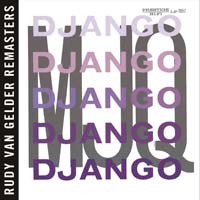
Inside the atmosphere of Modern Jazz Quartet's Django
Django- Album Overview
The Modern Jazz Quartet's album "Django," released in 1956, is a landmark in the genre of jazz, showcasing the ensemble's unique blend of classical music influences and improvisational jazz. Released under the Atlantic Records label, "Django" is named after the legendary guitarist Django Reinhardt, whose gypsy jazz style greatly inspired the quartet. The album was recorded during a period of significant evolution in jazz, during which artists began to explore more intricate harmonies and arrangements.
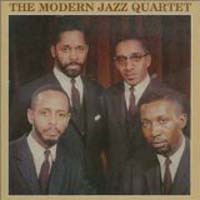
The lineup for the Modern Jazz Quartet during this period included pianist John Lewis, vibraphonist Milt Jackson, bassist Percy Heath, and drummer Connie Kay. Their collaboration produced a sound that was both sophisticated and accessible, appealing to a wide audience. The album features notable tracks such as "Django," "The Queen's Fancy," and "Softly, As in a Morning Sunrise," which highlight the quartet's ability to meld complex rhythms with lyrical melodies.
Musically, "Django" is significant for its use of counterpoint and its innovative approach to jazz composition. The album reflects the cultural milieu of the 1950s, a time when jazz was gaining prominence in the music scene and influencing other genres. The arrangements on "Django" are characterized by their elegance and intricacy, making the album a quintessential example of cool jazz. The Modern Jazz Quartet's interpretation of Reinhardt's work is not just a tribute but a reimagining, solidifying their place in jazz history.
Review
"Django" stands out not only for its homage to the legendary guitarist but also for the way it encapsulates the Modern Jazz Quartet's artistic vision. The album is a seamless blend of improvisation and structured composition, creating a listening experience that is both relaxing and intellectually stimulating. The interplay between Milt Jackson's vibraphone and John Lewis's piano is particularly mesmerizing, offering a dialogue that feels both spontaneous and meticulously crafted.
The sound is imbued with a sense of sophistication, thanks to the nuanced arrangements and the quartet's tight-knit synergy. Tracks like "Django" serve as a perfect example of how the group navigates between lyrical beauty and rhythmic complexity. While the album does not contain traditional lyrics, the emotive quality of the music speaks volumes, inviting listeners to engage with the melodies on a deeper emotional level.
Highlights
- Intricate and sophisticated arrangements that exemplify cool jazz.
- Beautiful interplay between vibraphone and piano, showcasing the quartet's chemistry.
- Cultural significance as a tribute to Django Reinhardt and an evolution in jazz music.
Weak points
- Some may find the album's leisurely pace less engaging compared to more upbeat jazz records.
- Tracks can feel repetitive for listeners seeking more variation in themes.
- Limited appeal for those unfamiliar with the cool jazz genre.
Overall evaluation
"Django" by the Modern Jazz Quartet is an essential listen for fans of jazz and those interested in the intersections of classical and contemporary musical forms. The album's elegant compositions and masterful performances make it a standout work in the jazz canon.
Personal rating: 9/10 2020Plays For Lovers
 1959Pyramid
 1957The Modern Jazz Quartet