

Review of Modern Jazz Quartet – The Modern Jazz Quartet Plays George Gershwin'
The Modern Jazz Quartet Plays George Gershwin'- Album Overview
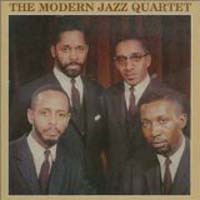
The Modern Jazz Quartet Plays George Gershwin was released in 1962 under the Atlantic Records label. This album is a remarkable tribute to the iconic American composer George Gershwin, known for his contributions to both classical music and jazz. The Modern Jazz Quartet (MJQ), known for their sophisticated blend of classical music with jazz elements, delivers a unique interpretation of Gershwin's timeless works. The group consisted of pianist John Lewis, vibraphonist Milt Jackson, bassist Percy Heath, and drummer Connie Kay, each bringing their individual artistry to the project.
The recording sessions took place in New York City, where the MJQ was at the height of their creative powers. The album features a collection of Gershwin’s most beloved pieces, including "Summertime," "I Got Rhythm," and "Bess, You Is My Woman Now." These tracks are meticulously arranged by John Lewis, who skillfully bridges the gap between jazz improvisation and classical structure, creating a cohesive sound that remains true to Gershwin's original compositions while infusing them with a fresh jazz sensibility.
Culturally, this album is significant as it exemplifies the jazz movement of the 1960s, where artists began to explore the integration of classical elements into jazz, reflecting the genre's evolution. The MJQ's approach to Gershwin's work not only honors the composer but also showcases the quartet's innovative spirit. Despite being a studio album, its live feel and energy resonate throughout, making it a classic in the jazz canon.
Review
The Modern Jazz Quartet's interpretation of Gershwin’s music is a masterclass in elegance and restraint. Each track flows seamlessly into the next, showcasing the quartet's ability to weave complex musical ideas into accessible forms. The interplay between Jackson's vibraphone and Lewis's piano creates a rich tapestry of sound that elevates Gershwin's melodies. The rhythm section, featuring Heath and Kay, provides a solid foundation that allows for both subtlety and dynamism.
While the jazz idiom is characteristically improvisational, the MJQ opts for a more structured approach, which may not appeal to purists who favor spontaneous jazz expressions. However, this choice allows listeners to appreciate the intricate arrangements and the emotional depth of Gershwin’s work. The album is a celebration of both jazz and classical music, merging the two in a way that feels both innovative and respectful.
Highlights
- Beautifully arranged interpretations of Gershwin's classics.
- Seamless integration of jazz and classical elements.
- Exceptional musicianship from all quartet members, particularly Milt Jackson's vibraphone work.
Weak points
- Some listeners may find the structured arrangements limiting compared to more improvisational jazz.
- The album may feel dated to those unfamiliar with the jazz styles of the early 1960s.
- Limited vocal elements, which may not appeal to fans of Gershwin's theatrical works.
Overall evaluation
Overall, The Modern Jazz Quartet Plays George Gershwin stands as a significant achievement in the crossover of jazz and classical music. It showcases the quartet's unique ability to reinterpret classic American music with sophistication and grace.
Personal rating: 8/10 1959Pyramid
 1957The Modern Jazz Quartet
 1956Django