ALBUM NOTESOne week with The Comedy / Lonely Woman: thoughts on Modern Jazz Quartet
The Comedy / Lonely Woman- Album Overview
The album "The Comedy / Lonely Woman" was released in 1962 by the Modern Jazz Quartet, a seminal group in the jazz genre known for their sophisticated blend of classical music influences and jazz improvisation. This album was released under the Atlantic Records label, further solidifying their presence in the jazz scene of the 1960s. The recording features a unique combination of two significant pieces: "The Comedy," composed by John Lewis, and "Lonely Woman," a jazz standard originally by Ornette Coleman.
"The Comedy" is an extended composition that showcases the group’s intricate arrangements and expressive interplay, while "Lonely Woman" presents a poignant interpretation that highlights the Quartet's ability to convey deep emotion through their musicianship. The album features the prominent members of the group: John Lewis on piano, Milt Jackson on vibraphone, Percy Heath on bass, and Connie Kay on drums. Their collaborative chemistry creates an engaging listening experience.
The album stands out not only for its technical prowess but also for its cultural significance. It reflects the evolution of jazz in the early 1960s, moving towards more avant-garde expressions while still retaining some traditional forms. The Modern Jazz Quartet's work during this period greatly influenced both contemporaneous artists and future generations, marking them as pioneers of modern jazz.
Review
Listening to "The Comedy / Lonely Woman" over the past week has been an enlightening experience. The album captures the essence of the Modern Jazz Quartet's artistic vision, blending intellect with emotion. The opening track, "The Comedy," unfolds like a cinematic narrative, where each musician plays a pivotal role in telling a story. The subtle yet intricate arrangements evoke a sense of sophistication that is both challenging and inviting.
In contrast, "Lonely Woman" serves as a haunting exploration of solitude and longing. The interpretation by the Modern Jazz Quartet infuses the piece with a lyrical quality that is often overlooked in more conventional renditions. Milt Jackson's vibraphone work is particularly notable here, as it adds a shimmering texture that perfectly complements the introspective mood.
The overall sound of the album reflects the quartet's commitment to innovation within the jazz genre, pushing boundaries while respecting tradition. The seamless interplay between the instruments creates a lush soundscape that invites repeated listening. The album is a testament to the quartet's ability to balance complexity with accessibility, making it enjoyable for both seasoned jazz listeners and newcomers alike.
Highlights
- Intricate arrangements that showcase the musicians' technical skills.
- Emotionally resonant interpretations of both tracks.
- A perfect blend of classical elements with modern jazz improvisation.
Weak points
- Some listeners may find the extended duration of "The Comedy" challenging.
- The album's subdued tone might not appeal to those seeking more upbeat jazz.
- Limited commercial appeal compared to more mainstream jazz records of the time.
Overall evaluation
Overall, "The Comedy / Lonely Woman" stands as a significant work in the canon of modern jazz, showcasing the Modern Jazz Quartet's unique ability to merge complex musical ideas with deep emotional expression. It provides a rich listening experience that rewards careful attention.
Personal rating: 8/10


 1959Pyramid
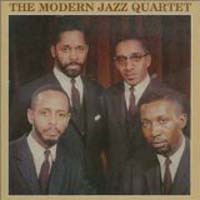 1957The Modern Jazz Quartet
 1956Django