ALBUM NOTESListening to John Coltrane / Lee Morgan by Lee Morgan
John Coltrane / Lee Morgan- Album Overview
The album "John Coltrane / Lee Morgan" is a captivating jazz record that showcases the extraordinary talents of trumpeter Lee Morgan and saxophonist John Coltrane. Released in 1957 under the iconic Blue Note label, this collaboration is a significant piece in the history of hard bop. The sessions were recorded on December 1 and 2, 1957, at the renowned Van Gelder Studio in Englewood Cliffs, New Jersey, a site famous for its pivotal role in jazz recording history.
Morgan, who was only in his mid-twenties at the time, was already recognized as a leading figure in jazz, having made a name for himself with his work on albums like "The Sidewinder." Coltrane, a rising star in the jazz world, was known for his innovative approach to improvisation and harmonic exploration. The album features five tracks, including standout compositions such as "Arietta" and "The Believer," which highlight the chemistry between the two musicians.
Notably, the album is a testament to the creative exchange happening in jazz during the late 1950s, a time when artists were pushing the boundaries of the genre. The collaboration here not only serves as a showcase of individual prowess but also as an exploration of collective improvisation, where Morgan and Coltrane each bring their unique styles into a cohesive sound. The album has since become a classic within the jazz canon, representing the dynamic interplay of two of the genre's most important figures.
Review
"John Coltrane / Lee Morgan" is a remarkable album that captures the essence of jazz during a transformative era. The synergy between Morgan's fiery trumpet and Coltrane's soulful saxophone creates a sonic landscape that is both intricate and engaging. The opening track, "Arietta," sets a contemplative tone with its lyrical melodies, while "The Believer" erupts into a vibrant dialogue between the two horn players, demonstrating their mutual respect and understanding of jazz’s improvisational nature.
The production, handled by Alfred Lion, is crisp and clear, allowing each instrument to shine without overshadowing the others. The rhythm section, comprised of pianist McCoy Tyner, bassist Reggie Workman, and drummer Elvin Jones, provides a solid foundation that enhances the dynamic exchanges between Morgan and Coltrane. The album does not feature lyrics but instead focuses on the emotive power of instrumental jazz, allowing listeners to engage with the music on a deeper level.
The artistic vision behind this collaboration is one of exploration and innovation. Both Morgan and Coltrane were at pivotal points in their careers, and this album reflects their willingness to push boundaries and redefine jazz. The improvisational skills displayed throughout the album invite listeners to experience the spontaneous nature of jazz, making it a timeless classic that resonates with enthusiasts and newcomers alike.
Highlights
- Exceptional chemistry between Lee Morgan and John Coltrane
- Rich, vibrant instrumental arrangements that showcase improvisation
- Production quality that allows each musician's talents to shine
Weak points
- Lacks vocal tracks, which may not appeal to all listeners
- Some tracks may feel less accessible to casual jazz fans
- Shorter runtime compared to other jazz recordings of the era
Overall evaluation
"John Coltrane / Lee Morgan" stands as a testament to the power of collaboration in jazz, showcasing the brilliance of two iconic musicians. Its rich improvisational style and emotional depth make it a must-listen for any jazz aficionado.
Personal rating: 9/10


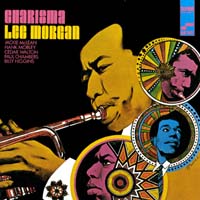 1969Charisma
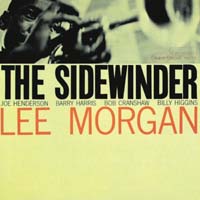 1963The Sidewinder