
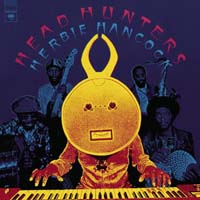
Feets Don't Fail Me Now: the next chapter for Herbie Hancock
Feets Don't Fail Me Now- Album Overview
"Feets Don’t Fail Me Now" is the 1979 album by jazz legend Herbie Hancock, released under the Columbia Records label. This album marks a pivotal moment in Hancock's career, representing a transition from his earlier acoustic jazz roots to a more eclectic fusion of jazz, funk, and R&B. The recording sessions took place at the renowned Caribou Ranch studio in Colorado, where Hancock collaborated with an impressive lineup of musicians, including bassist Paul Jackson, drummer Mike Clark, and percussionist Bill Summers, among others. The album features notable tracks such as the title cut "Feets Don’t Fail Me Now," which showcases Hancock's innovative use of synthesizers and rhythm. This record also includes "I Thought It Was You," a song that would later become a staple in Hancock's repertoire. The album's fusion of genres and innovative sound was ahead of its time, reflecting the cultural shifts of the late 1970s, where traditional jazz began to intersect with burgeoning funk and electronic music. "Feets Don’t Fail Me Now" was significant not only for its musical content but also for its role in establishing Hancock as a pioneer in the jazz-funk genre, paving the way for future developments in both jazz and popular music.
Review
The sound of "Feets Don’t Fail Me Now" is a vibrant tapestry, weaving together intricate jazz harmonies with infectious funk grooves. Hancock's mastery of the electric piano and synthesizers sets the tone, creating a lush and inviting sonic landscape. The album is characterized by its rhythmic complexity, driven by Mike Clark's dynamic drumming and Paul Jackson's solid bass lines, which keep the energy high throughout. The production is polished yet retains an organic feel, reflecting Hancock's vision of merging technological innovation with live instrumentation. Lyrically, the album remains instrumental for the most part, allowing the music itself to tell the story. However, when lyrics do appear, they evoke a sense of freedom and movement, fitting seamlessly into the overall themes of exploration and creativity. Hancock’s artistic vision shines through in every track, as he artfully balances complex arrangements with accessible melodies, appealing to both jazz aficionados and a broader audience. Overall, the album is a bold statement of Hancock's evolution as an artist, showcasing his willingness to push boundaries and explore new musical territories.
Highlights
- Exceptional musicianship from a talented ensemble, creating a rich, layered sound.
- Innovative use of synthesizers and funk rhythms, defining a new era in jazz.
- Memorable tracks that blend accessibility with complexity, appealing to diverse listeners.
Weak points
- Some tracks may feel dated to modern listeners unfamiliar with the era's sound.
- A few compositions may lack the cohesive flow found in Hancock's earlier works.
- Limited lyrical content might not resonate with those seeking narrative depth.
Overall evaluation
"Feets Don’t Fail Me Now" is an important chapter in Herbie Hancock's storied career, showcasing his innovative spirit and ability to adapt to changing musical landscapes. While it may not capture the full depth of his earlier acoustic works, it is a compelling exploration of jazz-funk that continues to influence musicians today.
Personal rating: 8/10 1982Herbie Hancock Trio
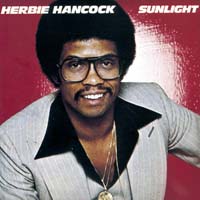 1978Sunlight
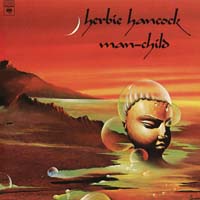 1975Man-Child
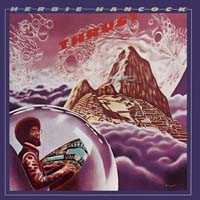 1974Thrust
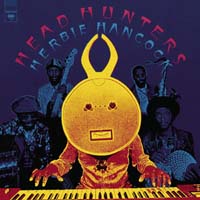 1973Head Hunters
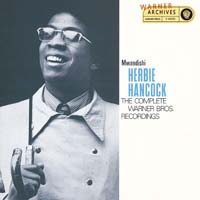 1970Mwandishi
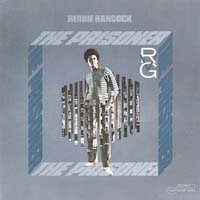 1969The Prisoner
 1969Fat Albert Rotunda
 1968Speak Like a Child
 1965Maiden Voyage
 1964Empyrean Isles
 1963My Point of View