ALBUM NOTESIs Also Sprach Zarathustra / Salome's Dance / De Richard Strauss's best work yet?
Also Sprach Zarathustra / Salome's Dance / De- Album Overview
"Also Sprach Zarathustra / Salome's Dance / De," released in 1997, is a compelling collection of symphonic and operatic works by the renowned German composer Richard Strauss. This album, produced by the esteemed label Deutsche Grammophon, features world-class orchestration and is performed by the acclaimed Berlin Philharmonic under the baton of conductor Herbert von Karajan. The album includes Strauss's iconic tone poem "Also Sprach Zarathustra," inspired by Friedrich Nietzsche's philosophical novel of the same name, alongside the electrifying "Dance of the Seven Veils" from the opera "Salome."
The recording sessions took place in the late 1990s, a period marked by a resurgence of interest in Strauss's music, showcasing both his rich orchestral textures and dramatic flair. The album also features exceptional soloists, adding depth to the orchestral fabric. "Also Sprach Zarathustra," with its famous opening fanfare, has not only permeated concert halls but has also become a cultural touchstone, particularly through its use in Stanley Kubrick's film "2001: A Space Odyssey." The "Dance of the Seven Veils," steeped in sensuality and intrigue, highlights Strauss's ability to blend the orchestral landscape with operatic storytelling. This album is significant not only as a representation of Strauss's genius but also as a reflection of the late 20th-century classical revival, cementing its place in the classical music canon.
Review
The album opens with "Also Sprach Zarathustra," which is both grand and introspective. The Berlin Philharmonic's lush strings and powerful brass create an exhilarating atmosphere, pulling the listener into the philosophical depths of Nietzsche's vision. Karajan's interpretation is masterful, balancing the bombastic moments with subtle nuances that showcase Strauss's complex orchestration. The transition to "Salome's Dance" is seamless, shifting the mood from philosophical contemplation to raw, sensual energy. The interplay between the orchestra and the soloists adds a theatricality that is truly captivating. Strauss's melodic lines are lush and evocative, making this album a feast for the senses. However, some might argue that the tracks can at times feel disjointed, as they traverse between the grandiosity of the tone poem and the operatic fervor of "Salome." Overall, the album is a testament to Strauss's innovative spirit and his ability to engage with profound themes through compelling music.
Highlights
- The stirring opening of "Also Sprach Zarathustra" that has become iconic in popular culture.
- Herbert von Karajan's masterful direction, which brings out the emotional depth in Strauss's compositions.
- The seamless transition between the symphonic grandeur and the operatic intensity of "Salome's Dance."
Weak points
- Some listeners may find the contrast between the two pieces jarring.
- The length of the album may be daunting for those unfamiliar with classical music.
- A lack of vocal elements in "Also Sprach Zarathustra" might leave some craving the drama of operatic singing.
Overall evaluation
"Also Sprach Zarathustra / Salome's Dance / De" stands as a significant exploration of Richard Strauss's artistic range, showcasing both his orchestral brilliance and dramatic flair. While it may not be a flawless collection, its cultural and musical significance is undeniable.
Personal rating: 9/10

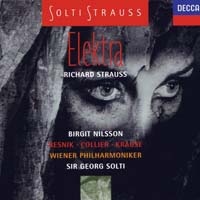 1986Elektra
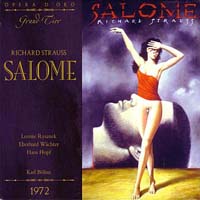 1978Salome