Biography
Ornette Coleman: history and sound
Randolph Denard Ornette Coleman (born March 9, 1930) is an American saxophonist, violinist, trumpeter and composer.
Ornette Coleman: A Pioneer of Free Jazz
Ornette Coleman was one of the most innovative and influential jazz musicians of the 20th century. His style of playing and composition was groundbreaking and pushed the boundaries of what was considered jazz at the time. He was a pioneer of free jazz, which emphasized creative expression over traditional structure and form. In this article, we'll dive into his musical biography, explore some of his best songs, discuss his influence on the jazz genre, and examine his most famous concerts and a critical response from the music community.
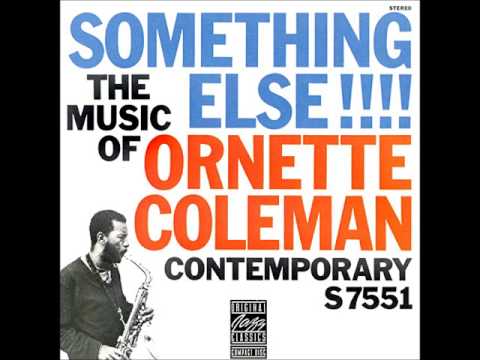
Born on March 9, 1930, in Fort Worth, Texas, Coleman began playing the saxophone at an early age. He had no formal training and was self-taught, which allowed him to develop his unique sound. He moved to Los Angeles in the early 1950s, where he quickly gained a reputation as a talented and innovative musician. His first album, Something Else!!!!, was released in 1958 and featured his groundbreaking track Lonely Woman. The song's haunting melody was unlike anything that had been heard in jazz before, and it put Coleman on the map as a visionary musician.
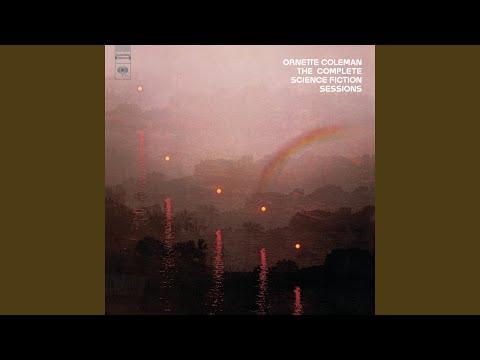
Coleman's influence on jazz cannot be overstated. He was among the first musicians to break away from traditional jazz standards and incorporate elements of free improvisation into his music. His style was characterized by a lack of harmonic structure and established melodies, which gave his compositions a sense of freedom and spontaneity. Some of his best songs include Peace, Ramblin', and Science Fiction. These tracks showcase his signature sound and highlight his ability to create complex arrangements that still manage to sound effortless.
Ornette Coleman's music genre is classified as free jazz, which, as mentioned earlier, is characterized by a lack of traditional structure and form. It emphasizes individual creativity and expression over established patterns and techniques. Coleman's music was considered radical at the time, as it pushed against the constraints of traditional jazz, but it quickly gained a following among musicians and fans alike. His influence can still be heard in modern jazz and experimental music, and his legacy continues to inspire new generations of musicians.
One of Coleman's most famous concerts was his performance at the 1960 Newport Jazz Festival. His set included his compositions The Sphinx and Free Jazz: A Collective Improvisation, which featured a double quartet of musicians playing simultaneously. The performance was met with a mix of critical responses, some praising Coleman's bold experimentation and others criticizing him for deviating too far from traditional jazz. Regardless, the concert marked a turning point in the history of jazz and solidified Coleman's place as a pioneer of free jazz.
A critic of Coleman's music, including his debut album which introduced Lonely Woman, included John S. Wilson of The New York Times. Wilson was known for his conservative views on jazz and often criticized experimental musicians like Coleman. He wrote, Coleman's music lacks structure and development and depends solely on off-the-cuff solos by the three instruments or on a themeless improv by the trio. It is subtly disturbing but basically meaningless. Despite this criticism, Coleman continued to innovate and experiment with his music throughout his career.
The music of Ornette Coleman challenged the traditional notions of what jazz should sound like and pushed the boundaries of what was possible with the genre. His pioneering spirit and creative vision continue to inspire musicians and listeners today, and his influence can be heard in countless jazz and experimental music projects. Whether you're a long-time fan or newcomer to the genre, listening to Coleman's music is an essential part of understanding the evolution of jazz in the 20th century.
Ornette Coleman: A Pioneer of Free Jazz
Ornette Coleman was one of the most innovative and influential jazz musicians of the 20th century. His style of playing and composition was groundbreaking and pushed the boundaries of what was considered jazz at the time. He was a pioneer of free jazz, which emphasized creative expression over traditional structure and form. In this article, we'll dive into his musical biography, explore some of his best songs, discuss his influence on the jazz genre, and examine his most famous concerts and a critical response from the music community.
Born on March 9, 1930, in Fort Worth, Texas, Coleman began playing the saxophone at an early age. He had no formal training and was self-taught, which allowed him to develop his unique sound. He moved to Los Angeles in the early 1950s, where he quickly gained a reputation as a talented and innovative musician. His first album, Something Else!!!!, was released in 1958 and featured his groundbreaking track Lonely Woman. The song's haunting melody was unlike anything that had been heard in jazz before, and it put Coleman on the map as a visionary musician.
Coleman's influence on jazz cannot be overstated. He was among the first musicians to break away from traditional jazz standards and incorporate elements of free improvisation into his music. His style was characterized by a lack of harmonic structure and established melodies, which gave his compositions a sense of freedom and spontaneity. Some of his best songs include Peace, Ramblin', and Science Fiction. These tracks showcase his signature sound and highlight his ability to create complex arrangements that still manage to sound effortless.
Ornette Coleman's music genre is classified as free jazz, which, as mentioned earlier, is characterized by a lack of traditional structure and form. It emphasizes individual creativity and expression over established patterns and techniques. Coleman's music was considered radical at the time, as it pushed against the constraints of traditional jazz, but it quickly gained a following among musicians and fans alike. His influence can still be heard in modern jazz and experimental music, and his legacy continues to inspire new generations of musicians.
One of Coleman's most famous concerts was his performance at the 1960 Newport Jazz Festival. His set included his compositions The Sphinx and Free Jazz: A Collective Improvisation, which featured a double quartet of musicians playing simultaneously. The performance was met with a mix of critical responses, some praising Coleman's bold experimentation and others criticizing him for deviating too far from traditional jazz. Regardless, the concert marked a turning point in the history of jazz and solidified Coleman's place as a pioneer of free jazz.
A critic of Coleman's music, including his debut album which introduced Lonely Woman, included John S. Wilson of The New York Times. Wilson was known for his conservative views on jazz and often criticized experimental musicians like Coleman. He wrote, Coleman's music lacks structure and development and depends solely on off-the-cuff solos by the three instruments or on a themeless improv by the trio. It is subtly disturbing but basically meaningless. Despite this criticism, Coleman continued to innovate and experiment with his music throughout his career.
The music of Ornette Coleman challenged the traditional notions of what jazz should sound like and pushed the boundaries of what was possible with the genre. His pioneering spirit and creative vision continue to inspire musicians and listeners today, and his influence can be heard in countless jazz and experimental music projects. Whether you're a long-time fan or newcomer to the genre, listening to Coleman's music is an essential part of understanding the evolution of jazz in the 20th century.