
Sound Museum: Three Women: what Ornette Coleman wants you to feel
Sound Museum: Three Women- Album Overview
Sound Museum: Three Women is a pivotal album by the avant-garde jazz pioneer Ornette Coleman, released in 1996 on the Harmolodic label. This album is notable as it represents a significant period in Coleman's career, showcasing his innovative approach to jazz that defies conventional structures and harmonies. The album features a unique blend of jazz, world music, and experimental sounds that reflect Coleman's commitment to pushing musical boundaries. Notably, the album is divided into two parts, with the first half dedicated to the theme of 'Three Women,' inspired by the influential women in Coleman's life.
The recording features a stellar lineup of musicians, including the likes of Denardo Coleman on drums, and a variety of guest artists who contribute to the rich tapestry of sound. The production took place in various studios, with Coleman often experimenting with different instrumentation and ensemble configurations. The album does not contain traditional singles but is instead an immersive experience, inviting listeners to engage deeply with its thematic complexity. Sound Museum: Three Women is significant not only for its musical content but also for its cultural implications, as it challenges gender norms and explores the emotional landscape of human relationships through the lens of jazz.
Review
In Sound Museum: Three Women, Ornette Coleman continues to step outside the bounds of traditional jazz, inviting listeners into a world where sound and emotion converge without the constraints of melody or rhythm. The album's avant-garde nature is immediately apparent, with each track flowing seamlessly into the next, creating a cohesive sonic narrative. Coleman's trademark style, characterized by his unique saxophone playing and innovative use of harmony, is evident throughout the album. The interplay between the musicians is both spontaneous and deeply connected, as they weave together intricate patterns that evoke a range of emotions.
While there are no lyrics to guide listeners, the music itself tells a story—one of complexity, nuance, and raw human emotion. The absence of a conventional structure allows for moments of tension and release, compelling the audience to feel rather than merely listen. Coleman's artistic vision shines through, encouraging an introspective journey that is both rewarding and challenging. The album's exploration of female archetypes through sound is a testament to Coleman's ability to express profound themes without words, making Sound Museum: Three Women a remarkable entry in his extensive catalogue.
Highlights
- Innovative soundscapes that challenge conventional jazz norms.
- Deep emotional resonance, inviting listeners to engage on multiple levels.
- Impressive collaboration with a diverse group of talented musicians.
Weak points
- Its avant-garde nature may alienate traditional jazz listeners.
- Lack of clear structure can make it difficult for some listeners to fully appreciate.
- Limited accessibility due to the absence of commercial singles.
Overall evaluation
Sound Museum: Three Women is a profound exploration of sound and emotion that embodies Ornette Coleman's daring artistic vision. While it may not cater to all tastes, its innovative approach and emotional depth make it a significant work in the realm of jazz. It stands as a testament to Coleman's enduring legacy as a pioneer of avant-garde music.
Personal rating: 8/10 1977Dancing in Your Head
 1972Skies of America
 1962Ornette on Tenor
 1959Tomorrow Is the Question!
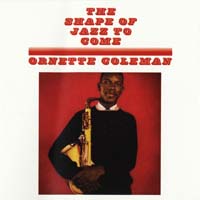 1959The Shape of Jazz to Come