
Exploring the sound of Ornette Coleman: Virgin Beauty
Virgin Beauty- Album Overview
Released in 1988, "Virgin Beauty" is a significant album in the legacy of avant-garde jazz musician Ornette Coleman. The album was produced by Coleman himself and released under the Harmonia Mundi label. It features a unique blend of free jazz and world music influences, reflecting Coleman's innovative spirit. The recording sessions took place in various locations, capturing a vibrant and eclectic sound that showcases Coleman's distinctive approach to music. The album includes notable collaborations with musicians such as guitarist James Blood Ulmer and drummer Charlie Haden, both of whom contribute to the album's rich tapestry of sound.
"Virgin Beauty" consists of tracks that are both experimental and melodic, with titles like "Dancing in Your Head," "What Is the Name of That Song," and "Happiness." Each piece is a testament to Coleman's ability to merge complex rhythms and harmonies with a sense of spontaneity. This album is particularly notable for its cultural significance, as it reflects the evolving landscape of jazz in the late '80s, bridging the gap between traditional forms and contemporary explorations. The album did not produce major hit singles but remains an essential listening experience for those looking to understand the depth of Coleman's artistry. "Virgin Beauty" encapsulates a moment in time where jazz continued to push boundaries, making it an enduring work in the genre's history.
Review
"Virgin Beauty" is an album that encapsulates Ornette Coleman's artistic vision, characterized by his free-form improvisational style and a deep understanding of musical synergy. The sound is a complex yet accessible blend of jazz, blues, and even hints of funk, which invites listeners into a rich auditory landscape. Coleman's saxophone work is as expressive as ever, weaving together melodies that are both haunting and uplifting. The album features a remarkable interplay among musicians, with Ulmer's guitar providing a percussive counterpoint to Coleman's soaring sax lines, while Haden's bass anchors the pieces with lyrical depth.
Lyrically, the album is minimalistic, often relying on the emotional weight of the music itself to convey its messages. The strength of "Virgin Beauty" lies in its ability to evoke feelings without the need for extensive lyrics, allowing the instrumentation to speak volumes. The overall production quality is pristine, capturing the nuances of each performance, which is a hallmark of Coleman's work. This album exemplifies the essence of creative freedom in jazz and stands as a testament to Coleman's enduring influence on the genre.
Highlights
- Innovative blend of free jazz and world music influences.
- Exceptional collaborations with talented musicians like James Blood Ulmer and Charlie Haden.
- Emotionally resonant melodies that transcend traditional lyrical structures.
Weak points
- Some listeners may find the experimental nature challenging or inaccessible.
- Lack of commercially viable singles may limit mainstream appeal.
- Occasional moments of dissonance that may not resonate with all audiences.
Overall evaluation
"Virgin Beauty" is a profound exploration of sound that showcases Ornette Coleman's innovative spirit and artistic depth. While it may challenge some listeners, it rewards those willing to engage with its rich textures and improvisational brilliance.
Personal rating: 8/10 1977Dancing in Your Head
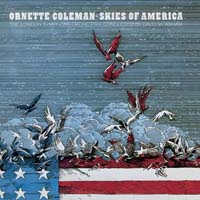 1972Skies of America
 1962Ornette on Tenor
 1959Tomorrow Is the Question!
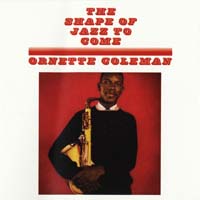 1959The Shape of Jazz to Come