
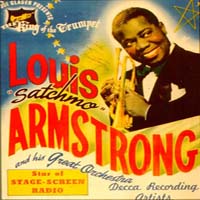
The evolution of Louis Armstrong in What A Wonderful World & All Other Greatest So
What A Wonderful World & All Other Greatest So- Album Overview
"What A Wonderful World & All Other Greatest So" was released in 1967 by Louis Armstrong under the ABC-Paramount label. This compilation album features Armstrong's iconic rendition of "What a Wonderful World," a song that has become synonymous with positivity and hope. The recording sessions for this album took place during a pivotal time in Armstrong's career, showcasing his evolution from a traditional jazz musician to a beloved pop icon. The album also includes tracks from various periods of his career, allowing listeners to experience the breadth of his musical journey.
Produced by the legendary Bob Thiele, the album features a blend of jazz, pop, and vocal stylings that highlight Armstrong's unique trumpet playing and warm, gravelly voice. Collaborators on the album include renowned musicians such as pianist Billy Kyle and bassist Arvell Shaw, who helped shape the sound of the tracks. The title track, which was not initially a commercial hit, eventually gained immense popularity, becoming a timeless classic and serving as a hallmark of Armstrong's legacy.
The cultural significance of "What A Wonderful World" cannot be overstated. In the context of the turbulent 1960s, the song offered a soothing perspective on life, resonating with audiences seeking solace in the face of social upheaval. This album, therefore, not only features Armstrong's compelling artistry but also serves as a historical artifact that reflects the broader societal sentiments of its time.
Review
The album "What A Wonderful World & All Other Greatest So" is a masterclass in the art of interpretation and emotional expression. Armstrong's signature trumpet solos are beautifully complemented by lush orchestral arrangements, creating a rich auditory experience. The title track, with its simple yet profound lyrics, showcases Armstrong’s ability to convey deep emotion and optimism, making it resonate with audiences of all ages.
Lyrically, the songs often reflect themes of love, nature, and humanity, all delivered with Armstrong's unmistakable charm and sincerity. His vocal delivery, particularly on tracks like "La Vie En Rose" and "Dream a Little Dream of Me," reveals a vulnerability that connects deeply with listeners. The artistic vision behind the album is clear: to celebrate life and its wonders through the lens of jazz and popular music, a feat that Armstrong accomplishes effortlessly.
Highlights
- Timeless interpretation of "What a Wonderful World."
- Rich orchestral arrangements that complement Armstrong's trumpet and vocals.
- Emotional depth and sincerity in lyrics and performance.
Weak points
- Some tracks may feel dated to contemporary listeners.
- Limited variety in musical styles compared to other jazz albums.
- Occasional overproduction that may overshadow Armstrong's raw talent.
Overall evaluation
"What A Wonderful World & All Other Greatest So" stands as a testament to Louis Armstrong's enduring legacy. It captures his evolution as an artist and highlights the universal themes of hope and joy that remain relevant today. While it may have its drawbacks, the album's emotional resonance and historical context make it an essential listen for both jazz enthusiasts and new listeners alike.
Personal rating: 8/10