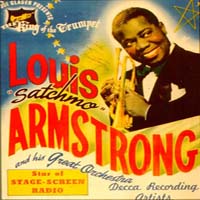
ALBUM NOTESAlbum spotlight: Louis Armstrong-Louis Armstrong – Louis Armstrong
Album overview
Louis Armstrong's self-titled album, released in 1956, stands as a remarkable testament to the legendary jazz trumpeter's enduring influence in the music world. Released by the iconic label Verve Records, this album showcases Armstrong's distinctive blend of jazz, blues, and pop, encapsulating the spirit of the era. The recording sessions took place in New York City, where Armstrong was joined by a cadre of talented musicians, including the legendary pianist and arranger, Billy Kyle, and the renowned drummer, Danny Barcelona.
The album features a collection of tracks that not only highlight Armstrong's virtuosic trumpet skills but also his warm, gravelly voice. Among the standout tracks are "Ain't Misbehavin'" and "Sweethearts on Parade," which exemplify his ability to convey deep emotion through both instrumentation and vocal delivery. The album was produced by the esteemed Norman Granz, a pivotal figure in jazz who played a significant role in promoting Armstrong's music.
Culturally, the album reflects the post-war jazz scene, a time when jazz was evolving and reaching a wider audience. Armstrong's charisma and musicality made him a beloved figure who bridged racial and cultural divides, helping to popularize jazz across America and beyond. The album not only solidified his legacy as a jazz icon but also served as an essential reference point for future generations of musicians.
Review
Armstrong's self-titled album is both a celebration of his artistic journey and a demonstration of his unparalleled talent. The sound is rich and vibrant, characterized by Armstrong's smooth trumpet lines and heartfelt vocal interpretations. Each track is meticulously arranged, allowing for a balance between improvisation and structured melody. The production quality is excellent, showcasing the clarity and warmth of Armstrong's voice alongside the deft instrumentation of his band.
Lyrically, the songs often explore themes of love, longing, and joy, reflecting the complexities of human experience. Armstrong's ability to infuse a sense of spontaneity into his performances captures the listener's attention and evokes a wide range of emotions. His artistic vision is evident throughout the album, as he deftly navigates between playful exuberance and soulful introspection.
Highlights
- Masterful trumpet playing that showcases Armstrong's technical prowess.
- Emotionally resonant vocal performances that connect deeply with listeners.
- Strong songwriting and arrangements that blend jazz with popular music elements.
Weak points
- Some tracks may feel dated to contemporary listeners unfamiliar with the style.
- The album's pacing can be uneven, with a few slower songs interrupting the flow.
- Lack of more experimental tracks that could demonstrate Armstrong's versatility further.
Overall evaluation
Louis Armstrong's self-titled album is a timeless classic that encapsulates the essence of jazz and showcases the brilliance of one of its greatest proponents. While it may have its minor flaws, the album remains a significant part of Armstrong's legacy and a must-listen for any jazz enthusiast.
Personal rating: 8/10
```