
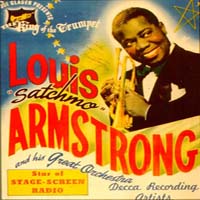
The evolution of Louis Armstrong in Louis And The Angels
Louis And The Angels- Album Overview
"Louis And The Angels," released in 1956, is a captivating album that showcases the remarkable evolution of Louis Armstrong, one of the most significant figures in jazz history. Released under the Decca Records label, this collection features a blend of traditional jazz and popular music, reflecting Armstrong's ability to transcend genres while maintaining his unique sound. The album consists of twelve tracks, including notable songs like "When the Saints Go Marching In" and "Ain't Misbehavin'." Armstrong's collaborations on this album are noteworthy; he worked with talented musicians such as the All Stars, which included the likes of Earl Hines and Jack Teagarden. The recording sessions took place during a vibrant era for jazz, allowing Armstrong to experiment with his vocal and instrumental techniques. The production captures the warmth and intimacy of Armstrong's performances, emphasizing his rich trumpet tone and charismatic voice. "Louis And The Angels" helped to solidify Armstrong's status as a crossover artist, appealing to both jazz aficionados and a broader audience. The album's singles, particularly "Ain't Misbehavin'," achieved commercial success and showcased his ability to reinterpret classic tunes. The cultural significance of the album lies in its celebration of American music, demonstrating how jazz can blend with other traditions while remaining true to its roots. Armstrong's influence on subsequent generations of musicians is undeniable, making "Louis And The Angels" not just an album, but a vital piece of musical history.
Review
"Louis And The Angels" stands as a testament to Louis Armstrong's artistry and enduring impact on the music landscape. The album presents a delightful mix of lively arrangements and heartfelt ballads, allowing listeners to experience the full range of Armstrong's vocal prowess and trumpet mastery. His ability to convey emotion through his music is evident in tracks like "What a Wonderful World," where his gravelly voice pairs beautifully with lush instrumentation. Armstrong's artistic vision in this album reflects a deep understanding of the changing musical landscape of the 1950s, as he effortlessly blends elements of jazz with pop sensibilities. The production quality is excellent, capturing the energy of live performances while maintaining clarity in the recordings. However, one might argue that the album lacks the improvisational spirit that is often associated with traditional jazz, focusing instead on polished arrangements. Despite this, Armstrong's charm and charisma shine through, reminding listeners of why he remains a beloved figure in music history.
Highlights
- Armstrong's exceptional trumpet playing and vocal delivery
- Strong production quality and arrangements
- Cultural significance as a bridge between jazz and popular music
Weak points
- Lack of improvisational elements typical of traditional jazz
- Some tracks may feel overly polished for jazz purists
- Limited exploration of more contemporary themes
Overall evaluation
"Louis And The Angels" is a significant contribution to Louis Armstrong's discography, reflecting his ability to adapt and thrive in the evolving music scene of the 1950s. While it may not capture the full spontaneity of jazz, it remains a charming and heartfelt collection that showcases Armstrong's timeless appeal.
Personal rating: 8/10