
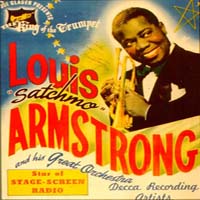
The Great Reunion: discovering Louis Armstrong's artistry
The Great Reunion- Album Overview
"The Great Reunion" is a posthumous album by the legendary jazz trumpeter Louis Armstrong, released in 1971 by the RCA Victor label. This compilation album features a selection of recordings that showcase Armstrong's unique ability to blend jazz with popular music trends of his time. The album was produced during a period when Armstrong had already established himself as a cultural icon, known for his distinctive voice and innovative trumpet playing. The recordings included in this collection span several years and feature collaborations with prominent musicians, highlighting the breadth of his artistic influence.
The album contains a mix of live performances and studio recordings, illustrating Armstrong's dynamic presence on stage and his ability to connect with audiences. Notable tracks include "What a Wonderful World," which, although not originally part of this collection, is emblematic of the themes presented throughout the album—joy, hope, and the beauty of everyday life. The album does not feature traditional singles but rather serves as a tribute to Armstrong's enduring legacy, capturing the essence of his artistry and the cultural shifts of the 20th century.
"The Great Reunion" is significant not only for its musical content but also for its historical context. It emerged during a time of social change in America, reflecting the evolving landscape of jazz and its integration into broader popular culture. Armstrong's work on this album is a testament to his ability to transcend genres and appeal to a wide audience, solidifying his status as one of the most influential figures in music history.
Review
The sound of "The Great Reunion" is characterized by Armstrong's signature trumpet sound and gravelly voice, which convey both warmth and authority. The arrangements blend traditional jazz elements with more contemporary influences, showcasing Armstrong's versatility as an artist. His ability to infuse emotion into every note is palpable, creating a listening experience that resonates on multiple levels. The lyrical themes often revolve around positivity and resilience, reflecting the optimism that Armstrong embodied throughout his life.
Artistically, Armstrong's vision in this album illustrates his dedication to his craft and his desire to connect with listeners. The recordings capture spontaneous moments that highlight his improvisational skills, making each track feel alive and vibrant. While the compilation may not present new material, it serves as a vital reminder of Armstrong's impact and the joy he brought to music.
Highlights
- Armstrong's iconic trumpet playing is masterfully showcased throughout the album.
- The emotional depth of his vocals adds a personal touch to each track.
- The blend of jazz with popular influences highlights Armstrong's versatility and relevance.
Weak points
- As a compilation, it lacks the coherence of a studio album focused on a specific theme.
- Some tracks may feel dated to contemporary listeners unfamiliar with the era.
- There is no new material, which may disappoint fans seeking fresh content.
Overall evaluation
"The Great Reunion" is a fitting tribute to Louis Armstrong's legacy, capturing the essence of his artistic genius and cultural significance. While it may not offer new insights or recordings, it serves as a delightful reminder of why Armstrong remains a beloved figure in jazz history.
Personal rating: 8/10