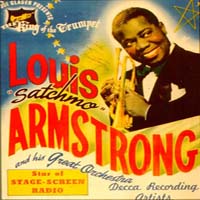
ALBUM NOTESA closer look at Louis Armstrong-Creole Jazz's album Creole Jazz
Album overview
Louis Armstrong's "Creole Jazz," released in 1949, is a pivotal album that captures the essence of New Orleans jazz and the cultural heritage of the Creole community. Recorded during a time when jazz was evolving rapidly, this album showcases Armstrong's signature trumpet style and charismatic vocals. The album was released under the Decca Records label and features a blend of traditional jazz elements with a modern twist, highlighting Armstrong’s role as a bridge between early jazz forms and the developing styles of the late 20th century.
The album includes iconic tracks such as "Basin Street Blues" and "When the Saints Go Marching In," which are not only reflective of Armstrong's musical prowess but also serve as cultural anthems that resonate with the themes of community and celebration in African American culture. Collaborators on this album include renowned musicians such as Earl Hines and Jack Teagarden, who contribute to the rich tapestry of sound that characterizes the album.
"Creole Jazz" is significant not just for its musical offerings but also for its cultural context. It reflects the challenges and triumphs of the Creole people in the United States and showcases how jazz emerged as a vital form of expression for African Americans. The album, while not as commercially successful as some of Armstrong's earlier works, remains a crucial part of his legacy, illustrating the depth and diversity of his artistry.
Review
"Creole Jazz" is a masterclass in the blending of traditional jazz with new influences that characterized the late 1940s. Armstrong's trumpet work is nothing short of extraordinary, delivering emotive solos that are both technically impressive and deeply expressive. His vocal performances, infused with warmth and personality, bring a sense of storytelling to each track, making the listener feel the joy and pain inherent in the music.
The arrangements are lively and dynamic, embodying the spirit of New Orleans jazz with a modern flair. The interplay between the musicians is seamless, showcasing a high level of musicianship that is both engaging and entertaining. The album's production captures the vibrant energy of live performances, allowing listeners to feel as though they are part of the celebratory atmosphere.
While the album does not feature the same level of commercial hits as some of Armstrong's previous works, its artistic vision is clear. It is a tribute to Armstrong's roots and a celebration of the cultural significance of Creole jazz, making it a worthwhile listen for both jazz enthusiasts and newcomers alike.
Highlights
- Exceptional trumpet solos that showcase Armstrong's virtuosity.
- Heartfelt and engaging vocal performances that enhance the storytelling aspect of the tracks.
- A rich blend of traditional and contemporary jazz elements that reflects the cultural significance of the genre.
Weak points
- Some tracks may feel less accessible to those unfamiliar with traditional jazz styles.
- Limited commercial appeal compared to Armstrong's more popular albums.
- The album's production quality, while authentic, may not meet the polished standards of contemporary releases.
Overall evaluation
"Creole Jazz" stands as a testament to Louis Armstrong's brilliance and his deep connection to the cultural roots of jazz. While it may not have achieved the same commercial success as his other works, its artistic merit and cultural significance cannot be understated. It is an essential listen for anyone looking to understand the evolution of jazz music.
Personal rating: 8/10
```