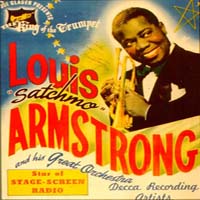
ALBUM NOTESAlbum spotlight: Louis Armstrong-Louis and the Good Book – Louis and the Good Book
Album overview
Louis Armstrong's "Louis and the Good Book" is a studio album released in 1958 under the Verve Records label. This album is particularly notable for its unique blending of jazz and gospel music, showcasing Armstrong’s deep, resonant voice and virtuosic trumpet playing. Recorded in the late 1950s, the album features a selection of spirituals and hymns, including classics like "Nobody Knows the Trouble I've Seen" and "When the Saints Go Marching In." Collaborators on this project include the legendary pianist and arranger, Ralph Burns, who contributed to the orchestral arrangements that accompany Armstrong's performance. The album reflects a significant cultural moment as it emerged during a time when gospel music was gaining popularity, and it highlights Armstrong's versatility beyond traditional jazz. "Louis and the Good Book" was well-received upon its release and has since been regarded as a vital document of Armstrong's artistic evolution, bridging the gap between jazz and the spiritual traditions of African American music.
Review
"Louis and the Good Book" is a striking representation of Louis Armstrong's artistic vision, where he transcends the conventional boundaries of jazz. The album's arrangements are lush and sophisticated, supporting Armstrong's signature warmth and emotional depth. His interpretations of the spirituals are heartfelt, bringing a personal touch that resonates deeply with listeners. The rhythmic grooves and rich instrumentation create a captivating soundscape that elevates the familiar hymns to new heights. Armstrong’s trumpet, often serving as a vocal counterpart, adds an expressive layer, making tracks like "Go Down Moses" particularly memorable. While the lyrical content is rooted in faith and reflection, Armstrong's delivery feels universal, appealing to a wide audience. Overall, the album is a beautiful homage to the spirituals that influenced not just jazz but the broader American musical landscape.
Highlights
- Armstrong's emotive vocal delivery and trumpet playing.
- The rich orchestral arrangements complementing the spiritual themes.
- Cultural significance bridging jazz and gospel music traditions.
Weak points
- Some arrangements may feel dated to contemporary listeners.
- A few tracks could benefit from more varied tempo changes.
- Limited appeal to those unfamiliar with spiritual or gospel music.
Overall evaluation
"Louis and the Good Book" stands as a testament to Louis Armstrong's enduring legacy, showcasing his ability to convey deep emotion through music. It serves as both a cultural artifact and a musical exploration of faith, making it a worthwhile listen for fans of jazz and gospel alike.
Personal rating: 8/10
```