
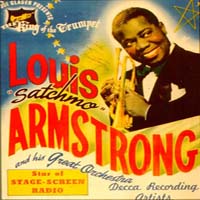
Breaking down the themes in Satchmo Sings Evergreens by Louis Armstrong
Satchmo Sings Evergreens- Album Overview
"Satchmo Sings Evergreens," released in 1957, is a remarkable album by the legendary jazz trumpeter and vocalist Louis Armstrong. Produced by the esteemed label ABC-Paramount, this collection showcases Armstrong's ability to infuse timeless standards with his unique charm and infectious energy. The album features a selection of well-loved tracks, including "When the Saints Go Marching In," "Stardust," and "Ain't Misbehavin'," all delivered with Armstrong's signature vocal style and trumpet prowess. The recording sessions took place in the late 1950s, capturing the spirit of an era where jazz was beginning to blend more with popular music. Armstrong's collaborators on this project included a mix of talented musicians who brought their own flair to the sessions. The arrangements greatly enhance the emotional weight of the songs, allowing Armstrong's voice to shine through. This album holds a significant place in both jazz and popular music history, as it represents Armstrong's transition from the jazz scene to a more mainstream appeal, making his music accessible to a broader audience. The singles released from this album did well on the charts, further cementing Armstrong's status as a cultural icon. The album not only exemplifies the timeless quality of the songs chosen but also reflects Armstrong's enduring influence on the music world, bridging gaps between genres and generations.
Review
The sound of "Satchmo Sings Evergreens" is a delightful blend of jazz, pop, and traditional American music. Armstrong's warm, gravelly voice carries a sense of nostalgia, breathing new life into classics while maintaining their original charm. His trumpet work is equally impressive, showcasing his technical prowess without overshadowing the emotional core of the songs. The arrangements are thoughtfully constructed, allowing space for Armstrong's vocals to resonate. Lyrically, the album explores universal themes of love, longing, and joy, making it relatable across generations. Armstrong's artistic vision shines through as he interprets each song with a personal touch, inviting listeners into a world filled with warmth and sincerity. The album's production quality is top-notch, capturing the vibrant sound of the era while remaining timeless in its appeal.
Highlights
- Armstrong's charismatic vocal delivery enhances the emotional depth of each song.
- The seamless blend of jazz and pop elements creates an engaging listening experience.
- The album features a well-curated selection of timeless standards, appealing to a broad audience.
Weak points
- Some listeners may find the arrangements a bit conventional compared to Armstrong's more adventurous works.
- The production style might feel dated to modern ears, lacking the crispness of contemporary recordings.
- Not every track reaches the same emotional intensity, with a few songs feeling more like fillers.
Overall evaluation
"Satchmo Sings Evergreens" is a testament to Louis Armstrong's enduring legacy as a master of jazz and popular music. It balances artistic integrity with commercial appeal, making it a delightful listen for fans of all ages. While it may not be without its flaws, the album captures the essence of Armstrong's charm and musicality.
Personal rating: 8/10