
Breaking down the themes in Rhapsody On A Theme Of Paganini / Rhapsody In Blue by George Gershwin
Rhapsody On A Theme Of Paganini / Rhapsody In Blue- Album Overview
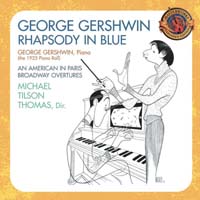
Rhapsody On A Theme Of Paganini / Rhapsody In Blue is an iconic album by American composer George Gershwin, released in 1950 by Columbia Records. This collection features two of Gershwin's most celebrated compositions: the Rhapsody in Blue, originally composed in 1924, and the Rhapsody On A Theme Of Paganini, written in 1934. The album showcases the synthesis of classical music with jazz influences, reflecting Gershwin's unique ability to bridge these genres.
The Rhapsody in Blue is known for its vibrant orchestration and innovative use of jazz harmonies, which was revolutionary at the time. It was commissioned by bandleader Paul Whiteman and premiered at a concert titled "An Experiment in Modern Music" in New York City, earning immediate acclaim. The Rhapsody On A Theme Of Paganini draws inspiration from the theme of Paganini's Caprice No. 24, and is often praised for its lyrical beauty and virtuosic piano passages. Both pieces were orchestrated by Gershwin himself, and the album is often highlighted for its collaboration with celebrated musicians such as conductor Leonard Bernstein and pianist Horace Parlan.
The album not only solidified Gershwin’s reputation as a pivotal figure in American music but also played a significant role in popularizing classical music among broader audiences. It has been performed countless times, and its melodies remain embedded in American cultural consciousness. The blend of rhythm and melody in these works exemplifies Gershwin's artistic vision and marks a significant moment in the evolution of American classical music.
Review
The album captures the essence of George Gershwin's innovative spirit. The Rhapsody in Blue opens with its famous clarinet glissando, setting the tone for a work that effortlessly combines classical technique with the improvisational feel of jazz. The piano's rhythmic drive and lyrical passages are engaging and captivating, showcasing Gershwin's genius in melding disparate musical styles. The orchestration is lush, with each instrument contributing to the overall texture, creating a vibrant soundscape that is both sophisticated and accessible.
Rhapsody On A Theme Of Paganini presents a different yet equally enthralling experience. The work is a testament to Gershwin's ability to infuse classical forms with his unique voice. The variations on Paganini's theme are inventive and explore a wide range of emotions, from exuberance to introspection. The interplay between the piano and orchestra highlights Gershwin's flair for drama and romance, making it a compelling listen.
Highlights
- The innovative blend of jazz and classical elements.
- Memorable melodies that resonate with listeners of all ages.
- Exceptional orchestration that showcases Gershwin's mastery.
Weak points
- Some may find the jazz elements less appealing if they prefer traditional classical music.
- The recordings may feel dated compared to modern productions.
- Lack of vocal elements might limit appeal for those seeking lyrical content.
Overall evaluation
Rhapsody On A Theme Of Paganini / Rhapsody In Blue stands as a testament to George Gershwin's genius and his ability to transcend musical boundaries. This album is essential listening for anyone interested in the evolution of American music.