
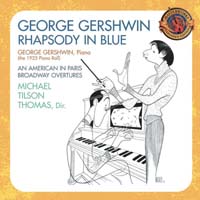
Rhapsody In Blue / The Gershwin Songbook / Who Car by George Gershwin: expectations vs reality
Rhapsody In Blue / The Gershwin Songbook / Who Car- Album Overview
"Rhapsody In Blue / The Gershwin Songbook / Who Car" is a remarkable compilation that showcases the genius of George Gershwin, an iconic figure in American music. Released in 1959 by the Columbia Records label, this collection encapsulates Gershwin’s ability to blend classical music with jazz influences, creating a signature style that has captivated audiences for generations. The album primarily features the acclaimed "Rhapsody in Blue," premiered in 1924, which illustrates Gershwin’s revolutionary approach to music, merging the sophistication of concert music with the spontaneity of jazz. Alongside this, the album includes selections from "The Gershwin Songbook," which highlights his prolific songwriting, including timeless standards like "Summertime" and "I Got Rhythm." The compilation was produced during a period of renewed interest in Gershwin's work, with various artists and orchestras revisiting his compositions. Collaborating musicians include renowned pianist and conductor Leonard Bernstein, who brought an authentic interpretation to the pieces. The album also features orchestral arrangements that enhance the lushness of Gershwin's melodies. Its cultural significance cannot be understated; "Rhapsody in Blue" has become a defining piece of American classical music, while the Gershwin Songbook remains a staple in the Great American Songbook. This collection not only reflects Gershwin’s genius but also signifies the evolution of American music in the 20th century.
Review
This album delivers a rich auditory experience that juxtaposes the elegance of orchestral arrangements with the improvisational essence of jazz. Gershwin's compositions are characterized by their melodic sophistication and rhythmic vitality, which are brought to life in this compilation. The opening track, "Rhapsody in Blue," is a breathtaking showcase of piano virtuosity, with Bernstein's conducting masterfully guiding the orchestra through its dynamic shifts. The seamless transitions between lyrical passages and lively jazz-inflected sections highlight Gershwin’s ability to blur genre lines. In terms of lyrics, the songs chosen from "The Gershwin Songbook" exemplify Gershwin's knack for crafting relatable narratives within his music, resonating with listeners on an emotional level. The overall artistic vision of the album reflects a celebration of American culture, capturing the spirit of the Roaring Twenties while also presenting timeless themes that continue to resonate today. However, some might find the orchestral arrangements to overshadow the simplicity of Gershwin's original jazz roots, creating a contrast between expectation and reality.
Highlights
- The iconic "Rhapsody in Blue" showcases Gershwin's genius in marrying classical and jazz elements.
- Strong orchestral arrangements that enhance the emotional depth of the compositions.
- A well-curated selection from "The Gershwin Songbook," featuring timeless classics.
Weak points
- Some arrangements may feel overly grandiose, potentially overshadowing the original jazz spirit.
- Limited exploration of Gershwin’s less-known works, which could have provided a more comprehensive view of his artistry.
- While the production quality is high, it may feel dated to contemporary listeners unfamiliar with the era’s sound.
Overall evaluation
"Rhapsody In Blue / The Gershwin Songbook / Who Car" serves as both a homage to George Gershwin's legacy and a demonstration of the timeless appeal of his music. The album is a testament to the enduring nature of Gershwin's compositions, although it occasionally strays from the raw essence of jazz that initially defined his work. Overall, it remains a significant contribution to the discussion of American music history.
Personal rating: 8/10