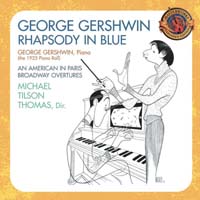
ALBUM NOTESCheck the vibes: George Gershwin – Rhapsody In Blue / Second Rhapsody For Orchestra W
Rhapsody In Blue / Second Rhapsody For Orchestra W- Album Overview
George Gershwin’s "Rhapsody In Blue / Second Rhapsody For Orchestra W" features two of his most iconic compositions that seamlessly blend classical music with jazz influences. Originally composed in 1924, "Rhapsody In Blue" was a groundbreaking piece that showcased Gershwin's innovative approach to American music, merging orchestral elements with the improvisational style of jazz. The Second Rhapsody, composed in 1931, further exemplifies Gershwin's ability to capture the essence of American life through music, characterized by its rhythmic vitality and sophisticated harmonies.
This album was released in 1959 by Columbia Records, featuring the orchestration of both works performed by the New York Philharmonic under the direction of Leonard Bernstein, a prominent conductor and composer of the time. The recording sessions brought together a stellar ensemble of musicians, contributing to the rich textures and dynamic interpretations that have become synonymous with Gershwin's work.
"Rhapsody In Blue" has been widely recognized not only for its musical brilliance but also for its cultural significance, as it played a pivotal role in establishing jazz as a serious art form. The work was notably featured in the 1924 concert "An Experiment in Music," which showcased the potential of American music on a grand stage. Gershwin's compositions have since become staples in the repertoires of orchestras worldwide, bridging the gap between classical and popular music.
The album also highlights Gershwin's prowess as a composer who transcended genres, making his music accessible to a broader audience. Over the decades, both rhapsodies have undergone numerous interpretations and adaptations, solidifying their status as timeless classics. The enduring appeal of these pieces continues to resonate, reflecting the evolution of American music and culture throughout the 20th century.
Review
The album presents a remarkable auditory experience that showcases Gershwin's genius in fusing classical music with the spontaneity of jazz. "Rhapsody In Blue" opens with a clarinet glissando that has become iconic in its own right, introducing listeners to a world where structured composition meets the freedom of jazz improvisation. The lush orchestration, coupled with the vibrant piano solos, creates a rich tapestry of sound that captivates the audience.
The Second Rhapsody complements the first by introducing a more complex rhythmic structure, reflecting Gershwin's evolution as a composer. While it retains the jazzy flair of its predecessor, it also experiments with more intricate harmonies and thematic development. Bernstein's conducting brings out the nuances in both works, allowing the orchestra to shine while maintaining the integrity of Gershwin's vision.
Overall, the album is a testament to Gershwin's artistic vision, showcasing his ability to transcend musical boundaries while creating pieces that remain relevant and engaging.
Highlights
- The seamless blend of jazz and classical elements in both rhapsodies.
- Bernstein's dynamic conducting that elevates the orchestral performance.
- The enduring cultural impact and timeless appeal of Gershwin's compositions.
Weak points
- Some listeners may find the orchestration of the Second Rhapsody less memorable than the first.
- The recordings, while classic, may not match the audio quality of modern productions.
- Lack of additional context or commentary in the album notes for newer audiences.
Overall evaluation
"Rhapsody In Blue / Second Rhapsody For Orchestra W" is a masterful exploration of Gershwin's vision, illustrating his lasting influence on American music. The album is a must-listen for both classical music enthusiasts and jazz aficionados alike.
Personal rating: 9/10