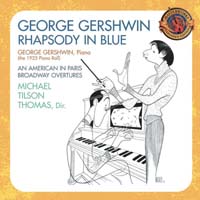
ALBUM NOTESThe evolution of George Gershwin in Rhapsody In Blue / Piano Concerto / Song-book
Rhapsody In Blue / Piano Concerto / Song-book- Album Overview
George Gershwin's "Rhapsody In Blue / Piano Concerto / Song-book" is a compelling collection that showcases the evolution of one of America's most celebrated composers. Released in 1959 under the Columbia Records label, this album features a blend of classical and jazz elements, epitomizing the unique sound that Gershwin cultivated throughout his career. "Rhapsody In Blue," originally composed in 1924, is perhaps Gershwin's most iconic work, seamlessly merging the rhythms of jazz with the structures of classical music. The album also includes the "Piano Concerto in F," composed in 1925, which further exemplifies Gershwin's ability to innovate within traditional forms while incorporating popular music influences.
The recording features notable performances by acclaimed musicians, including pianist Leonard Bernstein, who brings his own flair to Gershwin's compositions. The album serves not only as a showcase for Gershwin's genius but also as a testament to the cultural landscape of the 20th century, where jazz began to gain prominence and acceptance in concert halls. The "Song-book" section of the album includes a variety of Gershwin's beloved songs, highlighting his gift for melody and lyricism. This compilation became an essential piece in understanding the breadth of Gershwin's work, marking significant milestones in both the classical and popular music realms.
Review
The album "Rhapsody In Blue / Piano Concerto / Song-book" offers an exhilarating listening experience that captures Gershwin's artistic vision. The opening piece, "Rhapsody In Blue," bursts with energy and innovation, featuring a blend of syncopated rhythms and lush orchestration that sets the tone for the entire album. Gershwin's ability to transcend genres is evident throughout, with the "Piano Concerto in F" showcasing a more structured yet equally dynamic approach to composition. Bernstein's interpretation of these works breathes new life into the scores, allowing listeners to appreciate the nuances of Gershwin's intricate melodies and harmonies.
The inclusion of the "Song-book" further enriches the album, presenting Gershwin's lyrical prowess alongside his instrumental genius. Songs like "Someone to Watch Over Me" and "Fascinating Rhythm" not only highlight his talent for crafting memorable tunes but also reflect the cultural zeitgeist of the era, as they resonate with themes of love, longing, and the American experience. Overall, the album is a celebration of Gershwin's legacy, offering a comprehensive insight into his evolution as a composer and the impact of his work on both classical and popular music.
Highlights
- Masterful fusion of jazz and classical elements.
- Exceptional piano performances, particularly by Leonard Bernstein.
- Timeless songs that continue to resonate with audiences today.
Weak points
- Some interpretations may not resonate with purist classical listeners.
- Occasional dated orchestration in the "Song-book" section.
- Lack of contemporary context in some of the arrangements.
Overall evaluation
"Rhapsody In Blue / Piano Concerto / Song-book" is a significant contribution to the musical canon, encapsulating George Gershwin's innovative spirit and his ability to bridge the gap between different musical worlds. This album is essential for anyone looking to understand the breadth of Gershwin's impact on American music.
Personal rating: 9/10