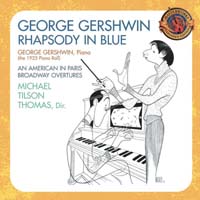
ALBUM NOTESReview of George Gershwin-Rhapsody in Blue / Piano Concerto in F, versions for two pianos – Rhapsody in Blue / Piano Concerto in F, versions f
Album overview
George Gershwin's "Rhapsody in Blue" and "Piano Concerto in F" are two of the most significant works in the American classical repertoire, showcasing the intersection of jazz and classical music. Released in 2012 under the label Decca Classics, this album features the arrangements for two pianos by Gershwin himself, offering a unique perspective on these masterpieces. The recording includes renowned pianists Katia and Marielle Labèque, who are celebrated for their dynamic interpretations and technical prowess. The album also features the vibrant orchestral textures that Gershwin is known for, allowing the listener to experience the intricate dialogue between the two pianists. "Rhapsody in Blue," composed in 1924, has become an emblem of American music, while "Piano Concerto in F," premiered in 1926, further solidified Gershwin's reputation as a leading composer of his time. These works reflect the cultural melting pot of early 20th-century America, where jazz was gaining prominence, influencing classical music's evolution. This album not only serves as a tribute to Gershwin's genius but also highlights the enduring legacy of his compositions in contemporary music.
Review
The album is a compelling listen, characterized by the Labèque sisters' energetic and nuanced performance. Their interpretation brings a fresh vibrancy to Gershwin's works, emphasizing the rhythmic complexity and emotional depth inherent in the compositions. The sound is crisp and clear, allowing the intricate melodies and harmonies to shine through. The dynamic interplay between the two pianists is particularly captivating, showcasing their ability to blend as a unit while also allowing individual voices to emerge. The arrangements for two pianos breathe new life into the pieces, highlighting Gershwin's innovative use of jazz elements within a classical framework. However, some purists may feel that the original orchestral versions possess an irreplaceable grandeur that cannot be fully replicated in this format. Overall, the album stands as a testament to Gershwin's genius and the enduring appeal of his music.
Highlights
- Dynamic and energetic performances by Katia and Marielle Labèque.
- Fresh interpretations that emphasize the rhythmic complexity of Gershwin's work.
- High-quality recording that enhances the listening experience.
Weak points
- Some listeners may prefer the orchestral versions over the two-piano arrangements.
- Occasional moments where the interplay can feel overly competitive rather than collaborative.
- Lack of additional context or historical commentary in the album's presentation.
Overall evaluation
This album offers a delightful experience for both Gershwin enthusiasts and newcomers alike, showcasing the timelessness of his compositions through a fresh lens. The Labèque sisters' masterful interpretations breathe new life into these classics, making it a worthy addition to any classical music collection.
Personal rating: 8/10
```