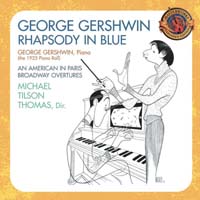
ALBUM NOTESExploring the sound of George Gershwin: Rhapsody In Blue / Piano Concerto / An American In
Rhapsody In Blue / Piano Concerto / An American In- Album Overview
The album "Rhapsody In Blue / Piano Concerto / An American In" by George Gershwin was released in 1959 under the Columbia Records label. It showcases some of Gershwin's most celebrated orchestral works, which blend classical music with jazz influences, reflecting the cultural dynamism of early 20th-century America. "Rhapsody in Blue," composed in 1924, was commissioned by bandleader Paul Whiteman for a concert titled "An Experiment in Modern Music." The piece was groundbreaking for its fusion of jazz elements with traditional classical forms, featuring a unique orchestration that allows for both virtuosic piano performance and rich orchestral texture. The "Piano Concerto in F," composed in 1925, followed a similar path, further solidifying Gershwin's reputation as a composer who could bridge the gap between popular and classical music. The album also includes "An American in Paris," which was composed in 1928 and depicts an American's experiences in Paris with vibrant musical motifs that evoke the city's atmosphere.
Gershwin's collaborations with prominent conductors and orchestras of the time, including Leonard Bernstein and the New York Philharmonic, helped to elevate the reception of his work. This album serves as a pivotal representation of Gershwin's genius, not only highlighting his innovative compositional style but also his ability to capture the spirit of American life. The recording features exceptional performances that breathe new life into these classic pieces, making them accessible to both ardent fans and newcomers alike.
Review
The album opens with "Rhapsody in Blue," instantly recognizable for its iconic clarinet glissando and lively rhythmic drive. The interplay between the piano and orchestra creates an exhilarating dialogue that encapsulates the essence of Gershwin's style. The "Piano Concerto in F" follows with its bold and dynamic character, characterized by intricate piano passages and orchestral flourishes that exemplify Gershwin's ability to merge different musical traditions seamlessly. The work's jazzy elements are particularly pronounced in the second movement, where the syncopation and swing rhythms invite listeners to tap their feet.
"An American in Paris" closes the album with its evocative soundscapes, painting a vivid picture of the bustling streets of Paris in the 1920s. The orchestration includes actual car horns, which adds a layer of authenticity to the composition, making the listener feel as though they are part of the lively city atmosphere. Throughout the album, the emotional depth and technical brilliance of Gershwin's compositions shine through, showcasing his unique artistic vision and his role in shaping American music.
Highlights
- Masterful fusion of jazz and classical elements.
- Exceptional orchestration that enhances the emotional impact of each piece.
- Iconic performances that breathe new life into Gershwin's timeless classics.
Weak points
- Some may find the jazz elements less appealing if they prefer traditional classical music.
- Occasional moments where the orchestral texture feels overly busy, potentially overwhelming the piano.
- Limited exploration of Gershwin's other significant works beyond the featured pieces.
Overall evaluation
"Rhapsody In Blue / Piano Concerto / An American In" is a masterful collection that encapsulates the genius of George Gershwin and his lasting impact on American music. The album is a testament to his innovative spirit and the cultural landscape of his time. For anyone interested in the intersection of jazz and classical music, this album is an essential listen.
Personal rating: 9/10