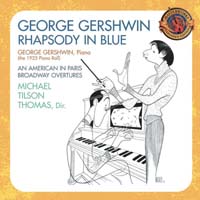
ALBUM NOTESDiving deep into Rhapsody In Blue / Concerto In F / American In Par by George Gershwin
Rhapsody In Blue / Concerto In F / American In Par- Album Overview
George Gershwin's "Rhapsody In Blue / Concerto In F / American In Paris" is a landmark album that showcases the composer's genius in blending classical music with jazz influences. Released in 1924, the album features three of Gershwin's most celebrated orchestral works, which have become staples in the American classical repertoire. The recording was released under the Columbia Records label, highlighting Gershwin's rising popularity during this period.
"Rhapsody in Blue," perhaps Gershwin's most famous piece, was originally commissioned for a jazz-band concert. It premiered on February 12, 1924, and marked a significant moment in American music history, as it combined elements of classical music with jazz rhythms and harmonies. "Concerto in F" followed in 1925, further illustrating Gershwin's ability to transcend traditional genres and embrace a distinctly American sound. "An American in Paris," composed in 1928, vividly captures the essence of Parisian life, using orchestration to evoke the sounds of the city, including the street sounds of automobiles and pedestrians.
The works feature prominent performances by various orchestras and soloists throughout the years, with the most notable interpretations by renowned pianists and conductors. Gershwin's collaborations with figures like Paul Whiteman and Leonard Bernstein helped to cement his legacy as a pioneer of American music. These compositions not only reflect the cultural melting pot of early 20th-century America but also have significantly impacted the jazz genre and classical music alike, influencing generations of composers and musicians.
Review
The album presents a unique fusion of styles, where Gershwin's innovative use of rhythm and melody creates an engaging listening experience. The "Rhapsody in Blue," with its iconic clarinet glissando, introduces a playful yet sophisticated dialogue between the piano and orchestra, showcasing Gershwin's mastery of form and improvisation. The "Concerto in F" takes a more structured approach, with its three movements reflecting a blend of classical techniques and jazz motifs, allowing for both virtuosity and emotional depth.
"An American in Paris" serves as a vibrant orchestral narrative, painting a rich auditory picture of the city through its energetic themes. The incorporation of jazz elements into orchestral compositions is not only groundbreaking but also serves as a reflection of the cultural landscape of America during the 1920s. Gershwin's artistic vision transcends the boundaries of genre, creating music that is both accessible and profound, resonating with audiences across generations.
Highlights
- The innovative fusion of jazz and classical elements in "Rhapsody in Blue."
- The emotional depth and virtuosity showcased in the "Concerto in F."
- The vivid orchestration and narrative quality of "An American in Paris."
Weak points
- Some listeners may find the jazz elements less appealing if they prefer traditional classical music.
- The recording quality may not meet modern standards, given the era of its production.
- Limited contextual information for listeners unfamiliar with the historical significance of the compositions.
Overall evaluation
Gershwin's "Rhapsody In Blue / Concerto In F / American In Paris" remains a cornerstone of American music, representing a pivotal moment in the fusion of classical and jazz genres. The album is not just a collection of pieces; it is a celebration of American culture and innovation. Gershwin's ability to convey emotion and narrative through music has left an indelible mark on both classical and contemporary music.
Personal rating: 9/10