
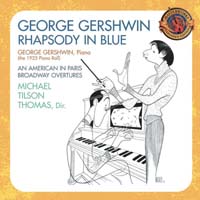
Inside the atmosphere of George Gershwin's Rhapsody In Blue, Concerto En Fa / Rhapsodie Sur U
Rhapsody In Blue, Concerto En Fa / Rhapsodie Sur U- Album Overview
"Rhapsody In Blue, Concerto En Fa / Rhapsodie Sur U" is a seminal classical album that showcases the genius of American composer George Gershwin. Released in 1924, this album features two of Gershwin's most celebrated works: "Rhapsody In Blue" and "Concerto En Fa" (Concerto in F). The original recording of "Rhapsody In Blue" is famous for its innovative fusion of classical music with jazz elements, and it made its debut at a concert in New York City, conducted by Paul Whiteman, which significantly contributed to its lasting cultural impact.
The recording features notable collaborations, including the virtuoso pianist and conductor Leonard Bernstein, who brought his unique interpretation to Gershwin's compositions. The album is often released under various labels, with many modern editions available through major classical music distributors. "Rhapsody In Blue" is characterized by its distinctive opening clarinet glissando and vibrant orchestration, while "Concerto En Fa" showcases a more structured classical form, emphasizing Gershwin's ability to blend jazz rhythms with classical frameworks.
Gershwin's music has been acknowledged for its role in bridging cultural divides and bringing jazz into the concert hall. The album not only highlights Gershwin’s innovative spirit but also paved the way for future generations of composers and musicians. The tracks continue to resonate with audiences today, maintaining a significant place in both concert repertoire and popular culture.
Review
The album "Rhapsody In Blue, Concerto En Fa / Rhapsodie Sur U" is an extraordinary showcase of Gershwin’s ability to merge different musical styles into cohesive pieces that tell a story. The sound is vibrant and rich, with lush orchestrations that perfectly highlight the virtuosity of the piano lines. Gershwin's genius is evident in the way he constructs melodies that are both catchy and sophisticated, allowing them to transcend genres. The emotional depth conveyed through the music is both captivating and reflective of the era's cultural shifts. Bernstein's interpretations breathe new life into these classic pieces, making them accessible to contemporary audiences while retaining their original charm. The interplay between the orchestra and the piano creates a dynamic atmosphere that draws listeners into the experience of early 20th-century America.
Highlights
- The innovative blend of jazz and classical elements.
- The iconic opening clarinet glissando in "Rhapsody In Blue".
- Leonard Bernstein's masterful interpretation of Gershwin's compositions.
Weak points
- The recording quality may feel dated compared to modern standards.
- Some listeners may find the blend of styles challenging to appreciate fully.
- The album lacks a comprehensive exploration of Gershwin's broader repertoire.
Overall evaluation
"Rhapsody In Blue, Concerto En Fa / Rhapsodie Sur U" is a landmark album that encapsulates the brilliance of George Gershwin. It is a must-listen for anyone interested in the evolution of American music and the interplay of jazz and classical forms.
Personal rating: 9/10