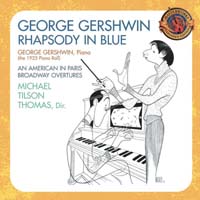
ALBUM NOTESInside Rhapsody in Blue / An American in Paris by George Gershwin-Rhapsody in Blue / An American in Paris
Album overview
George Gershwin's "Rhapsody in Blue / An American in Paris" is a seminal album that brings together two of his most celebrated orchestral works. Released in 1924, "Rhapsody in Blue" was initially commissioned by bandleader Paul Whiteman for a concert titled "An Experiment in Modern Music." Gershwin's innovative blend of classical music with jazz elements marked a significant shift in the American music landscape. The piece showcases Gershwin's skillful piano performance and intricate orchestration, making it a landmark in American classical music.
"An American in Paris," premiered in 1928, further solidifies Gershwin's reputation as a pioneer of American music. The piece is a symphonic poem that paints a vivid picture of a young American's experiences in Paris, infused with the sounds and rhythms of the city. Both works exemplify Gershwin's ability to capture the essence of American culture through music. This album has been released under various labels, including RCA Victor, and has seen numerous interpretations by orchestras worldwide. The album's cultural significance lies in its ability to transcend genres and resonate with audiences, making Gershwin a central figure in both classical and popular music traditions.
Review
The album "Rhapsody in Blue / An American in Paris" offers a captivating listening experience that showcases George Gershwin's genius. The opening piece, "Rhapsody in Blue," is an exhilarating journey that begins with a haunting clarinet glissando, leading into a vibrant piano melody that captures the essence of the Jazz Age. Gershwin's unique orchestration fuses elements of classical composition with the improvisational spirit of jazz, resulting in a sound that is both sophisticated and accessible.
"An American in Paris" complements this with its lush orchestration and evocative themes that bring to life the bustling streets of Paris. The use of street sounds, like car horns and the chatter of pedestrians, adds a delightful layer of realism to the composition. Together, these pieces create a dynamic contrast, "Rhapsody in Blue" is more introspective and energetic, while "An American in Paris" is expansive and colorful.
The performances are typically vibrant and passionate, often highlighting the soloist's virtuosity. Gershwin’s ability to convey emotion through melody and rhythm allows listeners to feel the narrative of each piece, making this album a timeless testament to his artistic vision.
Highlights
- Innovative fusion of jazz and classical elements
- Rich orchestration and memorable melodies
- Cultural significance in shaping American music
Weak points
- Some interpretations may lack the original energy of Gershwin's performances
- Occasional over-orchestration can detract from the piano solos
- Limited vocal elements may not appeal to all listeners
Overall evaluation
"Rhapsody in Blue / An American in Paris" remains a monumental work in the canon of American music, reflecting the innovative spirit of George Gershwin. Its blend of styles and deeply emotive themes make it a must-listen for anyone interested in the evolution of music.
Personal rating: 9/10
```