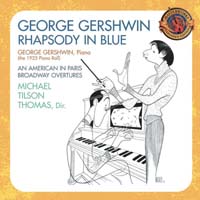
ALBUM NOTESHow George Gershwin shaped the sound of Rhapsody In Blue / An American In Paris / Porgy An
Rhapsody In Blue / An American In Paris / Porgy An- Album Overview
George Gershwin's "Rhapsody In Blue / An American In Paris / Porgy An" is a landmark album that showcases the innovative genius of one of America's most significant composers. Released in 1950 on the Columbia Records label, this compilation features three of Gershwin's most iconic works, which together encapsulate the essence of American music in the early 20th century. The album brings together "Rhapsody In Blue" (first premiered in 1924), "An American In Paris" (1928), and excerpts from the opera "Porgy and Bess" (1935), illustrating Gershwin's unique ability to blend classical music with jazz influences.
The production of these pieces was revolutionary for its time, as Gershwin sought to create an authentic American sound that resonated with the cultural landscape of the nation. "Rhapsody In Blue," with its famous clarinet glissando, is a prime example of this fusion, while "An American In Paris" brilliantly captures the atmosphere of the bustling city through its orchestration and rhythm. The album also features performances by acclaimed orchestras and conductors, including the New York Philharmonic, which further elevates the quality of the recordings.
Culturally, the works included in this album have had a profound impact on both music and the arts. "Porgy and Bess," often referred to as a "folk opera," broke new ground by bringing African American themes and music to a mainstream audience. The album not only showcases Gershwin's compositional prowess but also reflects the broader societal shifts of the time, including the acceptance and celebration of diverse musical forms. This compilation remains a vital contribution to American music history and continues to influence artists across genres.
Review
Listening to "Rhapsody In Blue / An American In Paris / Porgy An" is akin to embarking on a musical journey through the heart and soul of America. Gershwin's compositions are marked by their vibrant melodies and rhythmic complexity, engaging listeners from the very first note. The orchestral arrangements are rich and layered, combining classical structures with jazz improvisation that feels both spontaneous and meticulously crafted.
Each piece on the album tells a story, from the bustling streets of Paris to the soulful narratives of African American life in "Porgy and Bess." The emotional depth of the music is palpable, with Gershwin's ability to evoke a wide range of feelings—from joy to melancholy—ensuring that the listener is drawn into each composition. The performers bring Gershwin's vision to life, showcasing technical brilliance while maintaining the emotional core of the music.
Overall, the album serves as a testament to Gershwin's artistic vision, illustrating how he bridged the gap between popular and classical music, and leaving an indelible mark on American cultural identity.
Highlights
- Masterful fusion of classical and jazz elements.
- Emotionally compelling storytelling through music.
- Influential compositions that shaped American musical landscape.
Weak points
- Some may find the orchestral arrangements overly dense at times.
- Excerpts from "Porgy and Bess" may require contextual understanding to fully appreciate.
- Limited tracks may leave listeners wanting more of Gershwin's genius.
Overall evaluation
"Rhapsody In Blue / An American In Paris / Porgy An" is a crowning achievement in American music that transcends time. Gershwin's ability to weave together diverse influences and his innovative spirit solidify his place as a master composer. This album remains essential listening for anyone interested in the evolution of American music.
Personal rating: 9/10