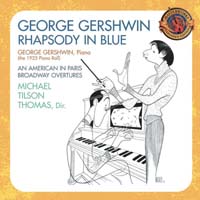
ALBUM NOTESBreaking down the themes in Rhapsody In Blue / An American In Paris / “porgy A by George Gershwin
Rhapsody In Blue / An American In Paris / “porgy A- Album Overview
George Gershwin's "Rhapsody in Blue / An American in Paris / Porgy and Bess" is a landmark compilation that encapsulates the genius of one of America's most celebrated composers. Released in 1959 by Columbia Records, this album includes some of Gershwin's most iconic works, showcasing his ability to blend classical music with jazz influences. "Rhapsody in Blue," originally composed in 1924, is a groundbreaking piece that redefined orchestral music, bridging the gap between concert hall and popular music, while "An American in Paris," composed in 1928, captures the essence of the city through its vibrant and impressionistic melodies.
The album also features music from "Porgy and Bess," a folk opera that debuted in 1935. This work is notable not only for its musical sophistication but also for its exploration of African American life in the early 20th century. Gershwin's collaborations with renowned musicians and orchestras, including the New York Philharmonic, added depth to these recordings, allowing his innovative compositions to shine.
The cultural significance of this album cannot be overstated. Gershwin’s work helped pave the way for future generations of composers, illustrating the possibilities of integrating various musical styles. The album includes pieces that reflect the American experience, revealing the complexities of identity, culture, and society during Gershwin's era. It remains a crucial part of the American music canon, celebrated for its rich textures and emotional depth, and continues to resonate with audiences today.
Review
The album is a riveting showcase of Gershwin’s ability to fuse classical orchestration with jazz rhythms and motifs. "Rhapsody in Blue" stands out as an audacious opening, with its famous clarinet glissando setting the stage for a whirlwind of musical exploration. The seamless transitions between different musical ideas reflect Gershwin’s unique vision and his profound understanding of both jazz and classical traditions.
In contrast, "An American in Paris" offers a more narrative-driven experience, painting a vibrant picture of the city through its lush orchestration and rhythmic vitality. The work's use of jazz-inflected themes and its portrayal of American expatriate life in France encapsulate a cultural dialogue that transcends borders.
The selections from "Porgy and Bess" present a raw and poignant exploration of societal themes, with songs like "Summertime" showcasing Gershwin's ability to capture deep emotion through melody. The vocal performances are powerful, highlighting the operatic nature of the material while also emphasizing the jazz influences that permeate the score.
Collectively, the album serves as a testament to Gershwin's artistic vision, reflecting both the joys and struggles of American life in the early 20th century, and the evolution of American music itself.
Highlights
- Masterful blend of classical and jazz elements.
- Rich orchestration that paints vivid musical landscapes.
- Timeless compositions that resonate with contemporary audiences.
Weak points
- Some listeners may find the orchestral arrangements overwhelming.
- Tracks may feel lengthy for those unfamiliar with classical music.
- Limited vocal diversity in the Porgy and Bess selections may not appeal to all.
Overall evaluation
"Rhapsody in Blue / An American in Paris / Porgy and Bess" is a monumental work that showcases George Gershwin's unparalleled ability to merge diverse musical styles into a cohesive and emotionally resonant experience. This album not only highlights Gershwin's genius but also serves as a cultural artifact that captures the essence of American music.
Personal rating: 9/10