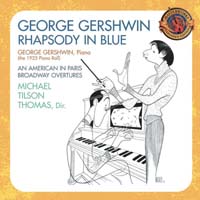
ALBUM NOTESHow George Gershwin shaped the sound of Rhapsody In Blue / An American In Paris / Piano Co
Rhapsody In Blue / An American In Paris / Piano Co- Album Overview
George Gershwin’s music has been an indelible part of American classical and popular music since the early 20th century. The album "Rhapsody In Blue / An American In Paris / Piano Co," released in 1959 under the Columbia Masterworks label, captures the essence of Gershwin's unique ability to blend classical forms with jazz influences. The iconic "Rhapsody In Blue," composed in 1924, is a groundbreaking piece that combines the spontaneity of jazz with the structure of classical music, showcasing Gershwin's innovative approach. "An American In Paris," composed in 1928, reflects Gershwin's experiences in Paris and captures the bustling energy of the city with its vivid orchestration and thematic motifs. The album also features the "Piano Concerto in F," which premiered in 1925 and further solidifies Gershwin's role as a pivotal figure in American music. Collaborators on this album include renowned conductor Leonard Bernstein and the New York Philharmonic, who bring a dynamic interpretation to Gershwin's works. With tracks that became staples in the repertoire of both classical and jazz musicians, this collection not only highlights Gershwin's genius but also his influence on American culture, encapsulating the spirit of the Jazz Age and the evolution of American music. The album serves as a testament to Gershwin's legacy, bridging the gap between high art and popular culture.
Review
The album "Rhapsody In Blue / An American In Paris / Piano Co" is a masterclass in orchestral and piano composition that showcases George Gershwin's exceptional talent. The opening track, "Rhapsody In Blue," is a stunning synthesis of jazz and classical music that immediately captivates the listener with its memorable clarinet glissando and lush instrumentation. Gershwin’s ability to evoke emotion through melody is on full display, as each note seems to dance with a life of its own. The jazz-influenced rhythms and syncopation set a vibrant tone that is both sophisticated and accessible.
In "An American In Paris," Gershwin paints an aural picture of the city’s streets, utilizing orchestral color and thematic motifs that represent the diverse sounds of the city. The piece conveys a sense of longing and nostalgia, reflecting Gershwin's own experiences abroad. The "Piano Concerto in F" further showcases Gershwin's innovative spirit, combining elements of jazz with classical tradition in a way that feels fresh and revolutionary. Throughout the album, the collaboration with Leonard Bernstein and the New York Philharmonic adds a layer of depth and finesse, highlighting the intricate interplay between the piano and orchestra. Together, they breathe life into Gershwin's compositions, making them resonate with both contemporary and modern audiences.
Highlights
- The innovative blend of jazz and classical elements in "Rhapsody In Blue."
- The vivid orchestration and cultural representation in "An American In Paris."
- The masterful performance by Leonard Bernstein and the New York Philharmonic, enhancing the richness of Gershwin's works.
Weak points
- Some purists may find the jazz influences too pronounced for a traditional classical album.
- Occasional moments of orchestration can feel overwhelming, overshadowing the piano.
- Limited availability of high-quality recordings of the album may detract from the listening experience.
Overall evaluation
"Rhapsody In Blue / An American In Paris / Piano Co" stands as a monumental collection that highlights George Gershwin's genius and his ability to transcend musical genres. The album remains a vital piece in the landscape of American music, echoing Gershwin's enduring legacy.
Personal rating: 9/10