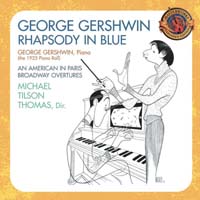
ALBUM NOTESA closer look at George Gershwin-Rhapsody in Blue / An American in Paris / Piano Concerto in F (P's album Rhapsody in Blue / An American in Paris / Piano Co
Album overview
George Gershwin's album "Rhapsody in Blue / An American in Paris / Piano Concerto in F" features some of his most iconic compositions that blend classical music with jazz influences. Released in 1959 by the Columbia Records label, this collection showcases Gershwin's extraordinary ability to fuse different musical genres, reflecting the cultural landscape of early 20th-century America. The recording includes three major works: "Rhapsody in Blue," first premiered in 1924, which captures the essence of the Jazz Age, "An American in Paris," composed in 1928, evokes the sights and sounds of the French capital, and the "Piano Concerto in F," completed in 1926, which further illustrates Gershwin's innovative style. Collaborators on this album include renowned orchestras and conductors, adding depth and richness to the arrangements. The album features a blend of orchestral and solo piano performances, ensuring that Gershwin's genius shines through. The musical significance of these works cannot be overstated, as they paved the way for future composers and solidified Gershwin's status as a pivotal figure in American music history.
Review
The album opens with "Rhapsody in Blue," a piece that has become synonymous with American music. Its opening clarinet glissando sets a tone of urgency and excitement, immediately captivating listeners. The orchestration is rich, with the piano weaving in and out of the orchestral fabric, creating a dialogue that is both conversational and virtuosic. Moving to "An American in Paris," the listener is taken on a vivid journey through Parisian streets, with Gershwin's use of blues inflections and orchestral colors painting a lively picture. The "Piano Concerto in F" concludes the album with its bold themes and intricate piano passages, showcasing Gershwin's technical prowess and emotional depth. Throughout the recording, the interplay between jazz and classical elements is seamless, reflecting Gershwin's unique artistic vision. The sound quality is pristine, allowing the nuances of the performance to shine, making it a must-listen for both classical and jazz enthusiasts.
Highlights
- Brilliant fusion of jazz and classical elements that define Gershwin's style.
- Exceptional orchestration and arrangements that enhance the piano performances.
- Cultural significance as a representation of American music in the early 20th century.
Weak points
- Some listeners may find the classical interpretations of jazz motifs less engaging.
- The album's historical context might be challenging for those unfamiliar with Gershwin's era.
- Limited diversity in musical styles compared to Gershwin's broader repertoire.
Overall evaluation
George Gershwin's "Rhapsody in Blue / An American in Paris / Piano Concerto in F" remains an essential collection for understanding the evolution of American music. Its blend of genres and rich orchestration reflects Gershwin's genius and the cultural vibrancy of his time.
Personal rating: 9/10
```