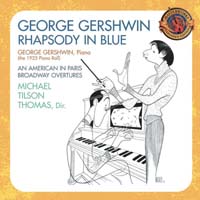
ALBUM NOTESRhapsody In Blue / An American In Paris / Concerto: what George Gershwin wants you to feel
Rhapsody In Blue / An American In Paris / Concerto- Album Overview
The album "Rhapsody In Blue / An American In Paris / Concerto" showcases the genius of George Gershwin, a pivotal figure in American music. Released in 1959 by the Columbia Records label, this compilation features three of Gershwin's most iconic works, capturing the essence of American classical music infused with jazz influences. "Rhapsody In Blue," originally composed in 1924, was groundbreaking for its innovative blend of classical and jazz elements, and it remains a cornerstone of American orchestral repertoire. "An American In Paris," composed in 1928, paints a vivid auditory picture of the composer’s experiences in the French capital, combining the sounds of the city with a rich orchestral palette. The "Concerto in F," also from 1925, further exemplifies Gershwin's ability to fuse genres by incorporating blues rhythms into the classical concerto form.
This album features prominent performances by the New York Philharmonic under the baton of conductor Leonard Bernstein, alongside soloist and pianist Horace Parlan, whose interpretations breathe fresh life into Gershwin's timeless compositions. The recording sessions were marked by a deep respect for Gershwin's legacy, aiming to convey the emotional depth and cultural significance embedded in his works. The album not only highlights Gershwin's musical prowess but also serves as a cultural touchstone, reflecting the vibrant spirit of America during the early 20th century. The tracks, rich in melodic invention and rhythmic vitality, invite listeners to experience a range of emotions, from the exhilarating to the melancholic, encapsulating the very essence of the American experience.
Review
Gershwin's compositions resonate with an emotional clarity that transcends time, and this album is no exception. The orchestration in "Rhapsody In Blue" is particularly noteworthy; it juxtaposes the solo piano's lyrical expressiveness with the lively orchestral backdrop, creating a dialogue that feels both intimate and grand. Bernstein's direction brings a dynamic energy to the performances, elevating Gershwin’s intricate harmonies to new heights.
In "An American In Paris," the use of orchestral colors is masterful, with Gershwin’s signature blending of jazz influences creating a bustling soundscape that captures the essence of the city. The "Concerto in F" is a triumph of rhythmic innovation, embracing the spirit of jazz while remaining rooted in classical traditions. While the album lacks vocal tracks, the emotional narratives conveyed through the orchestral instruments and the piano are profoundly expressive, allowing the audience to feel the nuances of each piece without the need for lyrics. Gershwin's ability to invoke a sense of place and emotion through music is evident throughout, making this album a compelling tribute to his artistic vision.
Highlights
- Brilliant orchestral arrangement and dynamic performances, particularly in "Rhapsody In Blue."
- Emotional depth and cultural significance of Gershwin's compositions resonate powerfully.
- Strong collaboration between conductor Leonard Bernstein and pianist Horace Parlan enhances the listening experience.
Weak points
- Some listeners may prefer vocal interpretations of Gershwin's work, as this album is purely instrumental.
- The album's mid-century recording quality might not appeal to purists seeking modern sound clarity.
- Limited selection of works, as it focuses solely on three major pieces, leaving out other notable compositions by Gershwin.
Overall evaluation
"Rhapsody In Blue / An American In Paris / Concerto" serves as an essential listening experience for anyone interested in American music. It encapsulates the innovative spirit of George Gershwin and the cultural milieu of his time. While it has its limitations, the album's strengths far outweigh them, offering a captivating exploration of Gershwin's artistic legacy.
Personal rating: 9/10