
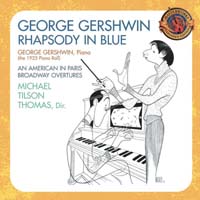
George Gershwin – Rhapsody In Blue & Other Orchestral Works: track-by-track perspective
Rhapsody In Blue & Other Orchestral Works- Album Overview
Released in 1959, "Rhapsody In Blue & Other Orchestral Works" showcases the genius of George Gershwin, one of the most significant composers of the early 20th century. This album, produced by RCA Victor, features a collection of Gershwin's most celebrated orchestral compositions, including the iconic "Rhapsody in Blue," which premiered in 1924 and is often credited with bridging the gap between classical music and jazz. The recording brings together a stellar cast of musicians, including renowned conductor Leonard Bernstein, who lends his dynamic interpretation to these timeless works.
The album represents a pivotal moment in American music history, demonstrating Gershwin's ability to blend various musical styles, notably jazz and classical themes, which resonate through his compositions. "Rhapsody in Blue" is often regarded as a quintessential American piece, encapsulating the spirit of the Roaring Twenties. Other notable tracks featured in this collection include "An American in Paris" and "Concerto in F," each highlighting Gershwin's innovative orchestration and melodic brilliance. The album not only celebrates Gershwin's legacy but also serves as a testament to the cultural significance of American music in the early 20th century. This collection remains a vital part of the classical repertoire, appealing to both jazz enthusiasts and classical purists alike.
Review
The sound quality of this album is exceptional, allowing listeners to appreciate the intricate orchestration and the vibrant interplay between the piano and the orchestra. Gershwin's compositions are characterized by their rhythmic vitality and lush harmonies, and this recording captures that essence beautifully. Each track unfolds with a sense of narrative and emotional depth, showcasing Gershwin's unique ability to convey complex feelings through music. The energetic performance of "Rhapsody in Blue" stands out, with Bernstein’s conducting bringing a fresh perspective to this well-known piece. The combination of jazz influences and classical form creates an engaging listening experience that remains compelling decades after its release.
Highlights
- The seamless blending of jazz and classical elements in "Rhapsody in Blue."
- Leonard Bernstein’s dynamic conducting elevates the orchestral arrangements.
- The inclusion of multiple iconic works showcases Gershwin's versatility as a composer.
Weak points
- Some listeners may find the orchestration of "Concerto in F" less accessible compared to the more popular "Rhapsody in Blue."
- The album does not include some of Gershwin's other notable works, limiting its scope.
- Certain interpretations may feel dated to modern audiences.
Overall evaluation
Overall, "Rhapsody In Blue & Other Orchestral Works" is a remarkable showcase of George Gershwin's genius and the enduring power of his music. The album serves as an essential listen for anyone interested in the intersection of classical and jazz music, highlighting the innovative spirit of American composers in the 20th century.
Personal rating: 9/10