
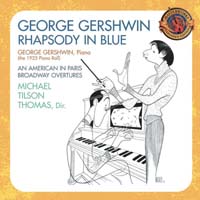
Breaking down the themes in L’oeuvre Pour Piano by George Gershwin
L’oeuvre Pour Piano- Album Overview
"L’oeuvre Pour Piano," released in 1968, is a compilation album featuring the works of the iconic American composer George Gershwin, well-known for his ability to blend classical music with jazz influences. This album, which translates to "The Works for Piano," primarily focuses on Gershwin's piano compositions, showcasing his innovative style that has left a lasting impact on American music.
The album was released under the RCA Victor label and features a selection of Gershwin's most beloved pieces, including excerpts from "Rhapsody in Blue," "Concerto in F," and "Preludes." The recordings were made during the late 1960s, a period when classical interpretations of jazz were gaining popularity, and Gershwin's works were being revisited by new generations of musicians. The album is a testament to Gershwin's genius, illustrating his ability to bridge the gap between different musical genres.
Notably, the album includes performances by renowned pianists such as Leonard Bernstein, who played a significant role in popularizing Gershwin's music. The album not only serves as a showcase of Gershwin's piano prowess but also highlights the cultural significance of his work during an era marked by the civil rights movement and a growing appreciation for jazz as a serious art form.
In terms of musical significance, "L’oeuvre Pour Piano" plays a crucial role in the preservation and celebration of Gershwin's contributions to both classical and jazz music, further solidifying his status as a pioneer in American music. The album ultimately serves as a reminder of Gershwin’s unique voice and his enduring influence on both classical and popular music landscapes.
Review
The sound of "L’oeuvre Pour Piano" is a rich tapestry of Gershwin's unique ability to meld classical elements with the free-spirited essence of jazz. Throughout the album, listeners are treated to a variety of moods, from the exuberant and lively rhythms of "Rhapsody in Blue" to the introspective and serene moments found in his preludes. Gershwin's compositions are characterized by their intricate melodies and syncopated rhythms, which are beautifully highlighted in the performances captured on this album.
While the album focuses primarily on piano works, the arrangements give a nod to the orchestral elements that Gershwin so masterfully employed in his larger compositions. The interpretations by the featured pianists bring out the emotional depth of Gershwin’s music, showcasing not just technical skill but also a deep understanding of the underlying themes of longing, love, and the pursuit of the American dream. The artistic vision behind this album is to celebrate Gershwin as a composer who transcended boundaries, creating a sound that is distinctly American.
Highlights
- The seamless blend of classical and jazz elements, showcasing Gershwin's unique style.
- Exceptional performances by renowned pianists, adding depth to the interpretations.
- The album serves as a cultural artifact, reflecting the significance of Gershwin's music in American history.
Weak points
- Some tracks may feel repetitive for listeners unfamiliar with classical music.
- The album lacks a cohesive narrative, as it is a compilation rather than a cohesive suite.
- Limited availability of high-quality recordings may detract from the listening experience.
Overall evaluation
"L’oeuvre Pour Piano" is a compelling tribute to George Gershwin's extraordinary talent as a composer, highlighting his ability to blend genres and create timeless music. While it may not be without its flaws, the album undoubtedly enriches the listener's understanding and appreciation of Gershwin's work.
Personal rating: 8/10