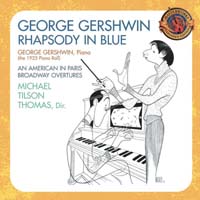
ALBUM NOTESGinastera / Gerswin / Villa-lobos / Barber / Ives: discovering George Gershwin's artistry
Ginastera / Gerswin / Villa-lobos / Barber / Ives- Album Overview
The album "Ginastera / Gershwin / Villa-lobos / Barber / Ives," released in 1991, serves as a fascinating exploration of the intersection of American and Latin American classical music, showcasing the genius of George Gershwin alongside his contemporaries and influences. Released under the Deutsche Grammophon label, this compilation features orchestral and piano works that reflect the rich tapestry of 20th-century music. The album brings together compositions from notable figures like Alberto Ginastera, Heitor Villa-Lobos, Samuel Barber, and Charles Ives, alongside Gershwin's own masterpieces.
Under the baton of renowned conductor Leonard Bernstein, the album is characterized by its vibrant orchestration and innovative harmonies, which are hallmarks of Gershwin's style. The recording includes standout tracks such as "Rhapsody in Blue" and "An American in Paris," both of which exemplify Gershwin's unique ability to blend classical music with jazz influences. The cultural significance of this album lies in its representation of a period when American music began to gain international recognition, positioning Gershwin as a central figure in this evolution. Collaborators on this project include celebrated soloists and orchestras, further enriching the listening experience.
The album not only serves as a homage to Gershwin's artistry but also highlights the ongoing dialogue between American and Latin American musical traditions, making it a critical addition to any classical music lover's collection.
Review
This album presents a compelling synthesis of styles, melding Gershwin's jazzy rhythms with the more traditional classical forms of his contemporaries. The production quality is impeccable, capturing the nuances of each instrument and the emotional depth of the compositions. The interplay between the orchestral textures and Gershwin's distinctive melodies creates a vibrant listening experience that is both intellectually stimulating and emotionally resonant. The arrangement of tracks allows listeners to appreciate the evolution of American music through the lens of Gershwin's genius, while simultaneously acknowledging the contributions of other significant composers.
The inclusion of works by Ginastera and Villa-Lobos provides an intriguing contrast to Gershwin's more familiar soundscapes, inviting listeners to explore the rhythmic complexities and rich harmonies that characterize Latin American music. The overall artistic vision of the album is to celebrate a diverse musical heritage, showcasing how these composers influenced one another and contributed to the broader narrative of 20th-century music.
Highlights
- Impeccable production quality that enhances the listening experience.
- A diverse selection of compositions showcasing the interplay between American and Latin American music.
- Outstanding performances by renowned artists and orchestras, including Leonard Bernstein's conducting.
Weak points
- The album may feel disjointed to listeners unfamiliar with the lesser-known works of Ginastera and Villa-Lobos.
- Some listeners might find the absence of more popular Gershwin pieces limiting.
- The overall length of the album may be daunting for casual listeners seeking a quick introduction to Gershwin's music.
Overall evaluation
"Ginastera / Gershwin / Villa-lobos / Barber / Ives" is a significant album that celebrates the multifaceted nature of 20th-century music, particularly through the lens of Gershwin's artistry. It offers a rich listening experience that is both educational and entertaining, making it a valuable addition to any classical music library.
Personal rating: 8/10