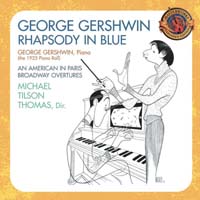
ALBUM NOTESCheck the vibes: George Gershwin-Gershwin: Rhapsody in Blue / Barber: Adagio for Strings / Coplan – Gershwin: Rhapsody in Blue / Barber: Adagio for St
Album overview
The album "Gershwin: Rhapsody in Blue / Barber: Adagio for Strings" features the iconic compositions of George Gershwin and Samuel Barber, showcasing the profound emotional depth and innovative orchestration that characterize their works. Released in 1990 under the Deutsche Grammophon label, this recording features the acclaimed conductor and pianist, William Copland, leading an orchestra through Gershwin's groundbreaking "Rhapsody in Blue," a piece that melds classical music with jazz influences, famously premiered in 1924. The album also includes Barber's "Adagio for Strings," composed in 1936, which has become a staple in both concert halls and film soundtracks. The collaboration between Copland and the orchestra highlights Barber's lyrical style and Gershwin's rhythmic vitality, reflecting the cultural melting pot of 20th-century America. This recording not only serves as a testament to the lasting legacy of both composers but also introduces new listeners to their timeless music. It stands as a bridge between classical and popular music, showcasing the rich musical tapestry of American composition.
Review
This album presents a remarkable synthesis of Gershwin's exuberant flair and Barber's introspective beauty. "Rhapsody in Blue" bursts forth with its vibrant jazz-infused themes, expertly delivered by Copland, whose interpretation breathes new life into the piece while respecting its origins. The piano's playful yet poignant melodies are complemented by the orchestral arrangement, creating a dynamic listening experience that is both refreshing and nostalgic. In contrast, Barber's "Adagio for Strings" offers a hauntingly beautiful experience, characterized by its slow, mournful progression that evokes a range of emotions from sorrow to serenity. The orchestration is lush, and each note is delivered with a profound sense of longing, making it a perfect counterpoint to Gershwin's energetic work. Overall, the album effectively showcases the duality of American music, balancing the vibrant energy of jazz with the emotional depth of classical traditions.
Highlights
- Exceptional interpretation of Gershwin's "Rhapsody in Blue" with a fresh, vibrant energy.
- Barber's "Adagio for Strings" delivers an emotionally charged performance that resonates deeply.
- Strong orchestral arrangement that highlights the strengths of both composers, bridging classical and jazz influences.
Weak points
- Some listeners might find the juxtaposition of the two pieces slightly jarring due to their differing moods.
- Lack of additional context or historical notes in the album booklet may leave some listeners wanting more background.
- Potentially less appeal for those who prefer purely traditional classical music without jazz influences.
Overall evaluation
Overall, "Gershwin: Rhapsody in Blue / Barber: Adagio for Strings" is a captivating exploration of two significant works that exemplify the richness of American music. The album successfully highlights the unique qualities of each piece while showcasing the talents of William Copland and the orchestra. It's a must-listen for both fans of classical music and those new to the genre.
Personal rating: 8/10
```