
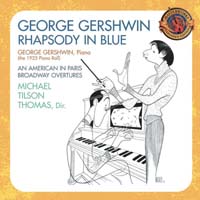
Gershwin: Rhapsody In Blue / Addinsell: Warsaw Con by George Gershwin: expectations vs reality
Gershwin: Rhapsody In Blue / Addinsell: Warsaw Con- Album Overview
The album "Gershwin: Rhapsody In Blue / Addinsell: Warsaw Concerto," released in 1958, showcases two monumental pieces from the American classical repertoire. The first, George Gershwin's "Rhapsody in Blue," premiered in 1924 and is revered for its innovative blend of classical music with jazz influences. This recording features the virtuoso pianist Earl Wild, who brings a fresh vibrancy to the piece, ensuring that Gershwin's bold rhythms and lyrical melodies resonate with both nostalgia and modernity.
The second piece, "Warsaw Concerto," composed by Richard Addinsell in 1941 as part of the film "Dangerous Moonlight," is a romantic and dramatic work that also reflects the influence of jazz and popular music of the time. The album was released under the RCA Victor label and recorded with a full orchestra, emphasizing the grandiosity and emotional depth of both compositions.
Collaborators on this album included renowned conductor and arranger, who ensured a seamless blend of instrumentation that highlights the strengths of both the piano and the orchestra. The album captures the cultural zeitgeist of the mid-20th century, a time when American music was beginning to assert its identity on the world stage. "Rhapsody in Blue" has been a staple in American music, frequently performed and recorded, while "Warsaw Concerto" stands as a testament to the film music of its era, often overlooked but equally compelling.
Review
This album is a delightful juxtaposition of two iconic piano concertos that embody the spirit of their respective eras. Earl Wild's interpretation of "Rhapsody in Blue" is both technically proficient and emotionally resonant, capturing the essence of Gershwin's jazz-infused classical style. Wild's nuanced playing brings out the piece's playful character, especially in the famous clarinet glissando that opens the work, which sets an exhilarating tone for the entire performance.
In contrast, the "Warsaw Concerto" is a more melodramatic work, with sweeping melodies that evoke the poignancy of its origins in wartime cinema. While both compositions share a thematic connection to American music, the "Warsaw Concerto" exhibits a more European romanticism. The orchestration is lush, creating an atmospheric backdrop that complements the piano lines beautifully, though some listeners may find its sentimentality a bit excessive compared to Gershwin's more grounded style.
Highlights
- Exceptional piano performance by Earl Wild, showcasing both technical skill and emotional depth.
- The innovative blend of jazz and classical elements in "Rhapsody in Blue" remains timeless and captivating.
- "Warsaw Concerto" offers a lush orchestral experience that complements the piano beautifully, showcasing a different facet of musical storytelling.
Weak points
- The emotional depth of "Warsaw Concerto" may not resonate with all listeners, potentially feeling overly sentimental.
- Some may find the album's contrasting styles jarring rather than complementary.
- Limited context provided in the liner notes may leave listeners wanting more background on the pieces' histories.
Overall evaluation
This album serves as a compelling introduction to two significant works in the American classical canon. While it excels in performance quality, the emotional resonance of the pieces may vary among listeners. Nevertheless, it remains a noteworthy collection for those interested in the evolution of American music.
Personal rating: 8/10