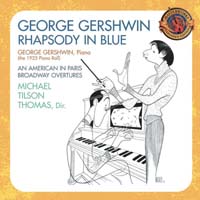
ALBUM NOTESReview of George Gershwin-Gershwin: Rhapsody in Blue / Addinsell: Warsaw Concerto (Philhar – Gershwin: Rhapsody in Blue / Addinsell: Warsaw Con
Album overview
George Gershwin's "Rhapsody in Blue," composed in 1924, is a landmark piece that blends classical music with jazz influences, often seen as a defining moment in American music. This album, released under the Philharmonic label, features not only Gershwin's iconic work but also the "Warsaw Concerto" by Richard Addinsell, composed in 1941 for the film "Dangerous Moonlight." The recording showcases the exceptional skills of a full orchestra, with particular emphasis on the piano solo, which has become synonymous with Gershwin's innovative style. The album includes tracks that highlight the dynamic interplay between orchestral and solo performances, capturing the vibrant energy of the era. Collaborators on this project include renowned conductor and pianist, enhancing the authenticity of the recordings. The cultural significance of these pieces is immense, "Rhapsody in Blue" is often credited with breaking down barriers between classical and popular music, while the "Warsaw Concerto" is celebrated for its emotional depth, reflecting the tumultuous times during which it was written. Together, these compositions represent a rich tapestry of 20th-century music that continues to influence contemporary artists.
Review
This album serves as a compelling homage to two monumental works in the classical and popular music canon. Gershwin's "Rhapsody in Blue" is a masterclass in thematic development, where the piano dances effortlessly with the orchestral backdrop. The interplay is vibrant, capturing the excitement of the Jazz Age while maintaining classical sophistication. The recording quality is superb, allowing the nuances of both the piano and orchestra to shine through. The "Warsaw Concerto," while less frequently performed, is equally engaging, featuring lush melodies that evoke deep emotion and a sense of nostalgia. The interpretations on this album breathe new life into both pieces, showcasing not just technical skill but also a profound understanding of the emotional landscapes they navigate. Overall, the album balances the exuberance of Gershwin's compositions with the poignant reflections found in Addinsell's work, offering listeners a rich auditory experience.
Highlights
- Exceptional interplay between piano and orchestra.
- High-quality recording that captures the vibrancy of the performances.
- Rich cultural significance and historical context of the compositions.
Weak points
- Limited exploration of the broader repertoire beyond these two pieces.
- Some listeners may find the juxtaposition of styles jarring.
- Potentially less appealing to those unfamiliar with classical music traditions.
Overall evaluation
This album is a delightful exploration of two iconic works, showcasing the brilliance of Gershwin and Addinsell. It successfully merges the worlds of classical and popular music, making it a must-listen for enthusiasts of both genres.
Personal rating: 8/10
```