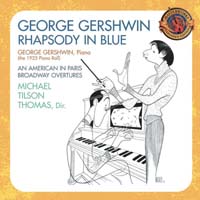
ALBUM NOTESListening guide: George Gershwin's Gershwin: Piano Concerto / Cuban Overture / Milhau
Gershwin: Piano Concerto / Cuban Overture / Milhau- Album Overview
George Gershwin's "Gershwin: Piano Concerto / Cuban Overture / Milhau," released in 1951, is a rich tapestry of American classical music that encapsulates Gershwin's innovative blend of jazz and classical idioms. This album features the renowned "Piano Concerto in F," which premiered in 1925 and is celebrated for its vibrant rhythms and orchestral colors, showcasing Gershwin’s signature style. The "Cuban Overture," originally titled "Rumba," reflects Gershwin's fascination with Afro-Cuban music, further enhancing the album's dynamic range. The recording also includes "Milhau," a lesser-known work that exemplifies Gershwin's ability to fuse different musical traditions.
This album was produced under the Columbia Masterworks label and features performances by prominent musicians of the time. The recording sessions brought together an ensemble that included notable artists such as pianist Oscar Levant, who was instrumental in bringing Gershwin’s compositions to life. The album not only highlights Gershwin’s genius but also serves as a historical artifact, reflecting the cultural melting pot of early 20th-century America. The combination of orchestral sophistication and popular rhythms makes this album significant, appealing to both classical music aficionados and jazz enthusiasts alike.
Review
Gershwin's ability to traverse genres is on full display in this album, where the "Piano Concerto in F" emerges as a hallmark of American classical music. The concerto's first movement is a striking fusion of jazz motifs and classical structure, making it an exhilarating listening experience. The orchestration is lush, and the interplay between the piano and the orchestra is electric, showcasing Gershwin's mastery of both forms. The "Cuban Overture," with its infectious rhythms and melodic fluency, transports listeners to a vibrant cultural landscape, while "Milhau" adds an intriguing layer of complexity to the album.
The sound quality of the recording is commendable, capturing the nuances of the piano against the rich backdrop of orchestral textures. Gershwin's artistic vision shines through, as he seamlessly blends influences from jazz, classical, and Latin music, creating a unique footprint in the realm of American music. However, some may find moments of disjointedness, particularly in "Milhau," which can feel less accessible compared to the other two pieces.
Highlights
- The energetic and innovative "Piano Concerto in F" showcases Gershwin's genius.
- "Cuban Overture" offers a lively and infectious rhythm that captivates listeners.
- The collaboration with skilled musicians like Oscar Levant enhances the album's overall quality.
Weak points
- Some transitions in the album can feel abrupt, disrupting the overall flow.
- The recording, while technically sound, may lack the warmth of modern productions.
Overall evaluation
Overall, "Gershwin: Piano Concerto / Cuban Overture / Milhau" stands as a testament to George Gershwin’s innovative spirit and his contributions to the American music landscape. It is a compelling listen for those who appreciate the fusion of classical and jazz elements.
Personal rating: 8/10